Putting Women and Girls at the Center of Primary Healthcare
Duration: 5 Years (2023-2027) | Donor: Co-Impact
Ghana has committed to achieving Universal Health Coverage (UHC) for all, leaving no one behind, in line with national commitments to the Sustainable Development Goals. However, current interventions are not adequately responsive to the healthcare needs of women and girls or sensitive to the socio-cultural circumstances affecting their access to and utilization of services.
The National Health Policy envisions holistic, comprehensive, equitable, affordable and responsive health services. To achieve this, women's active participation as informed clients, rights-holders, co-creators and agents of change must be ensured at all levels – from the family and community to sub-national and national government levels.
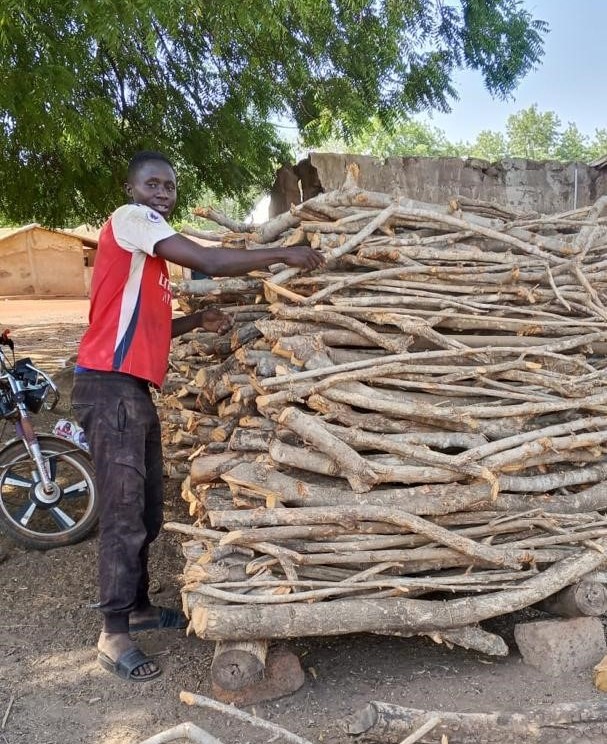
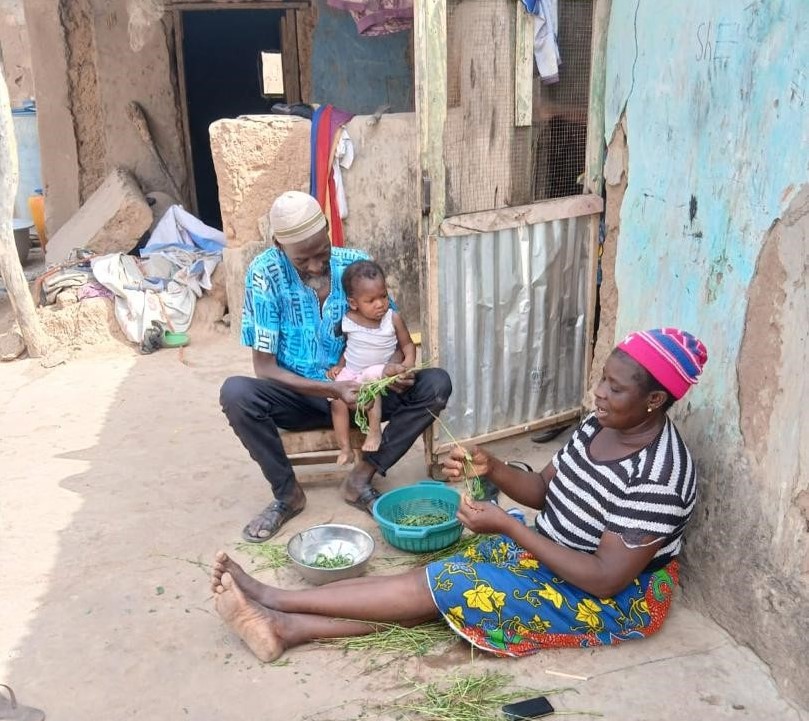
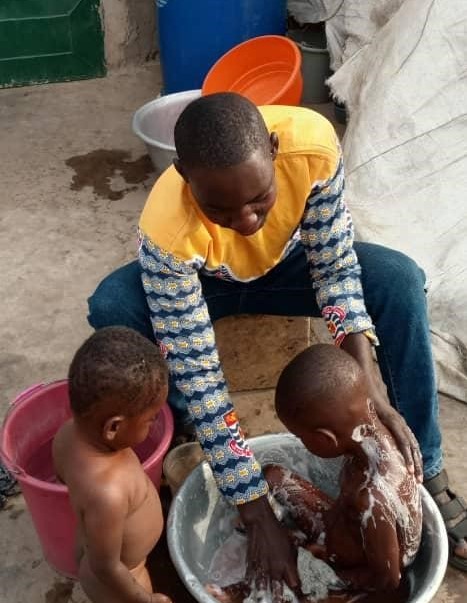
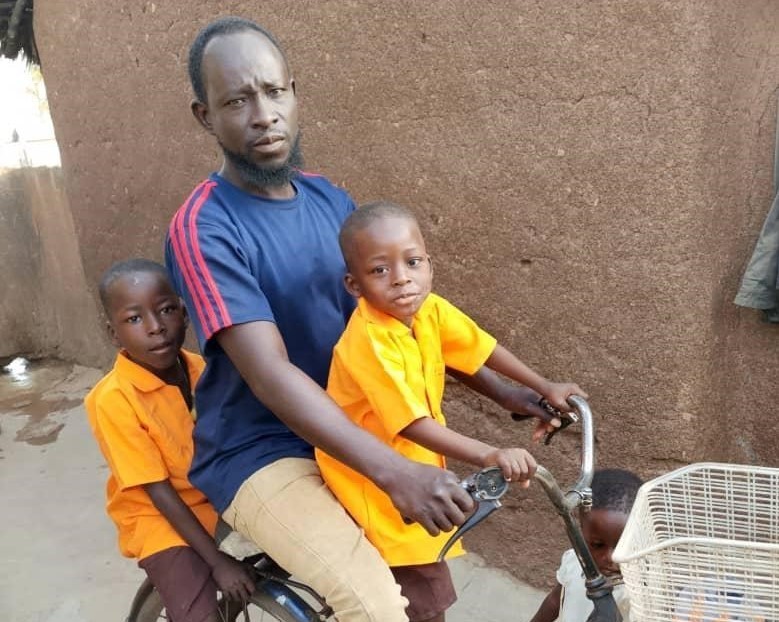
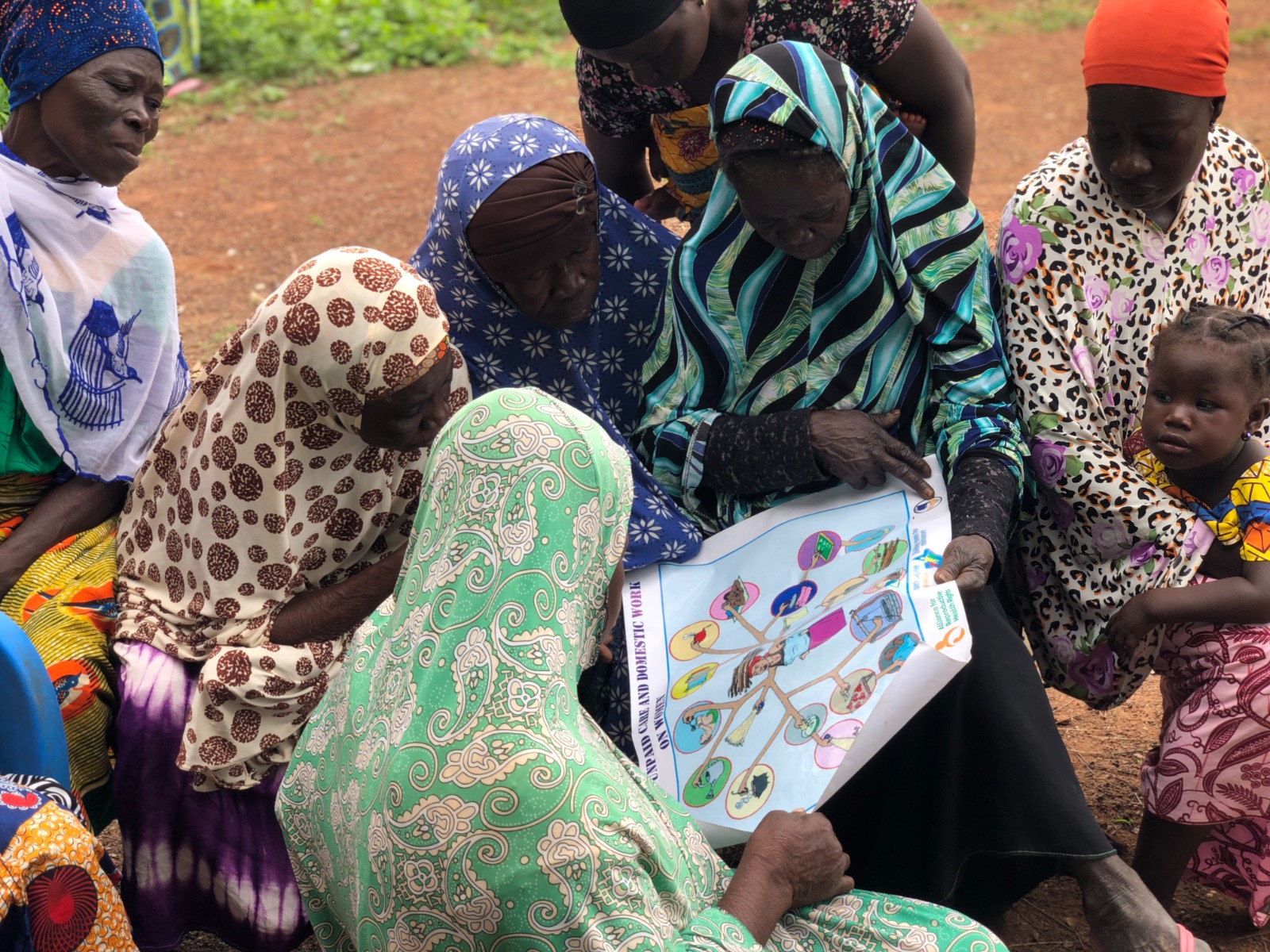
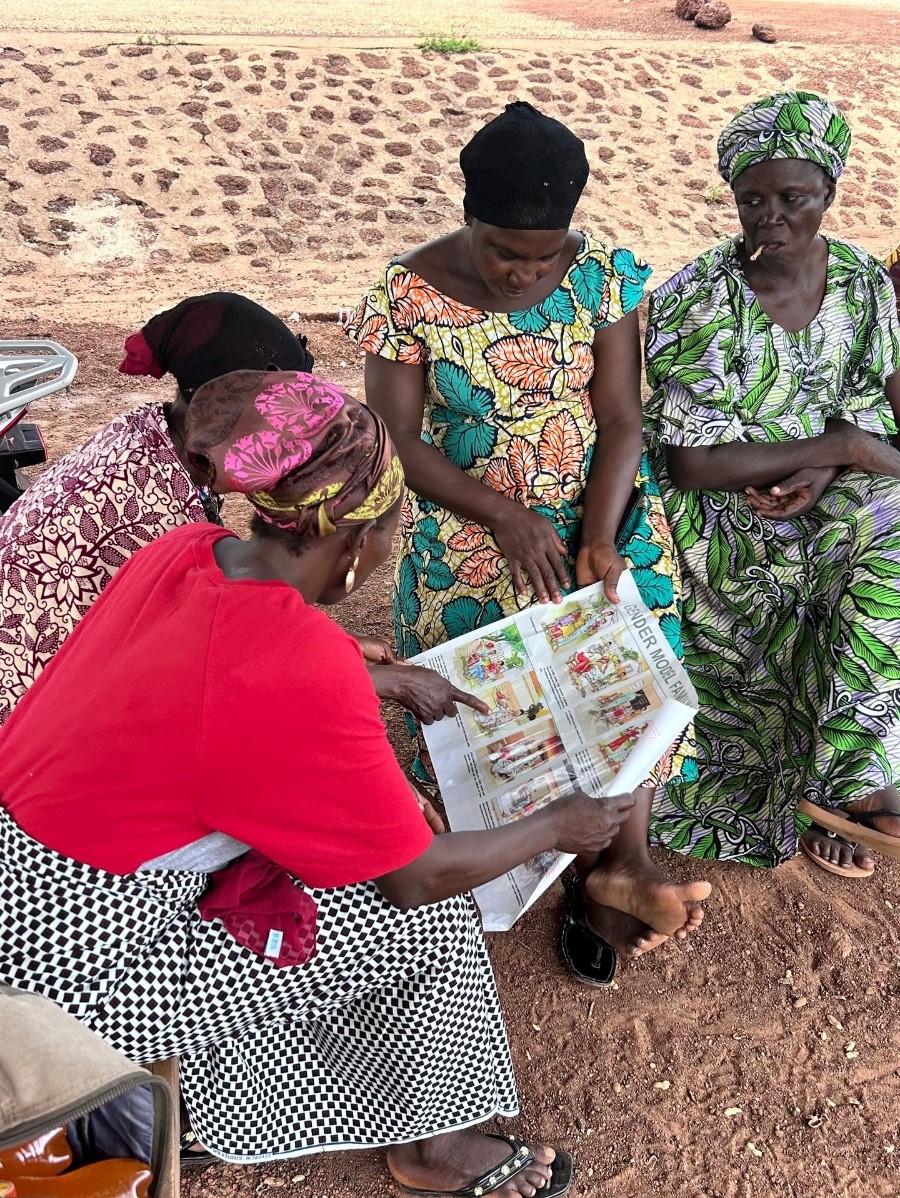
This project strengthens the Primary Health Care (PHC) system using a gendered approach by adapting SEND's Gender Model Family (GMF) approach. The GMF is a gender-transformative community mobilization strategy addressing unequal power relations between women and men by promoting equitable redistribution of unpaid and domestic care work among all household members.
Four Priority Areas:
Policy Development: Developing and adopting gender-equitable, socially inclusive standards and guidelines in all PHC-related policy, programme, and strategy actions
Service Provider Capacity: Investing in capacities of service providers to deliver gender-equitable, vulnerability-sensitive, and rights-oriented essential services
Accountability Mechanisms: Strengthening gender-responsive mechanisms for accountability and feedback to increase clients' options for demanding improved services
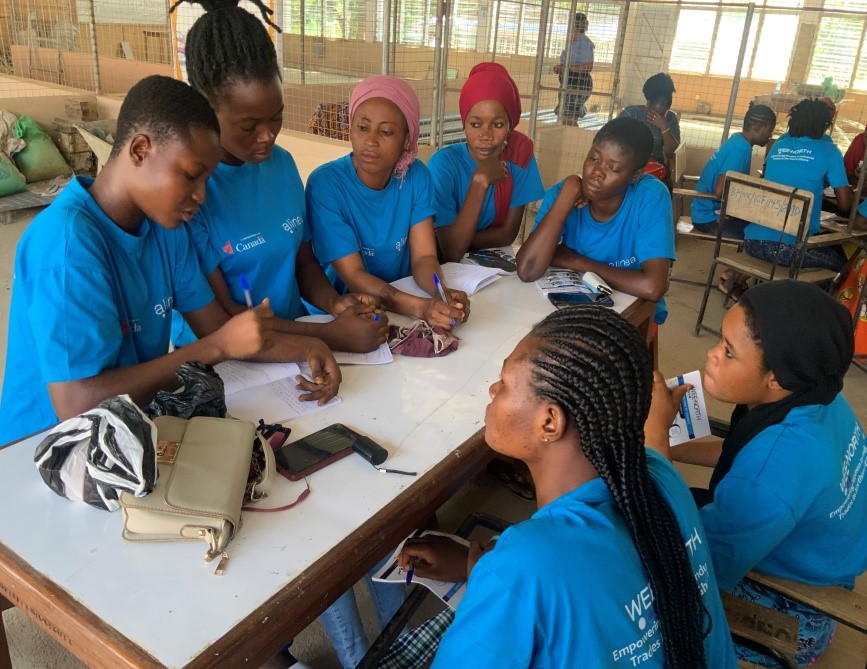
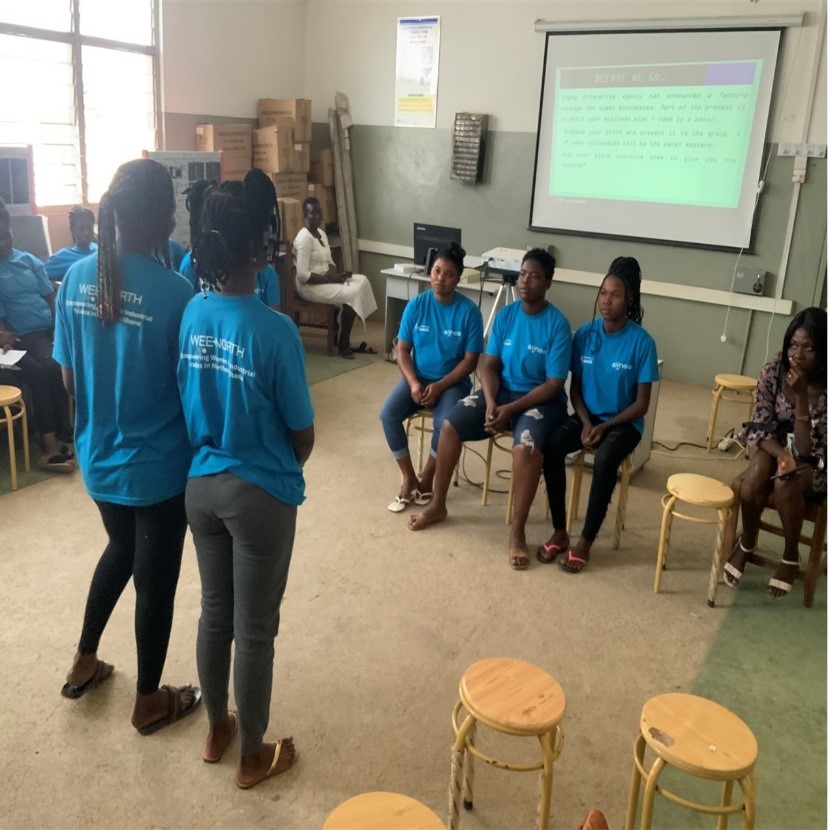
Women's Agency: Increasing agency and participation of women and girls in PHC decision-making at national, district, community, and family levels
Project Activities:
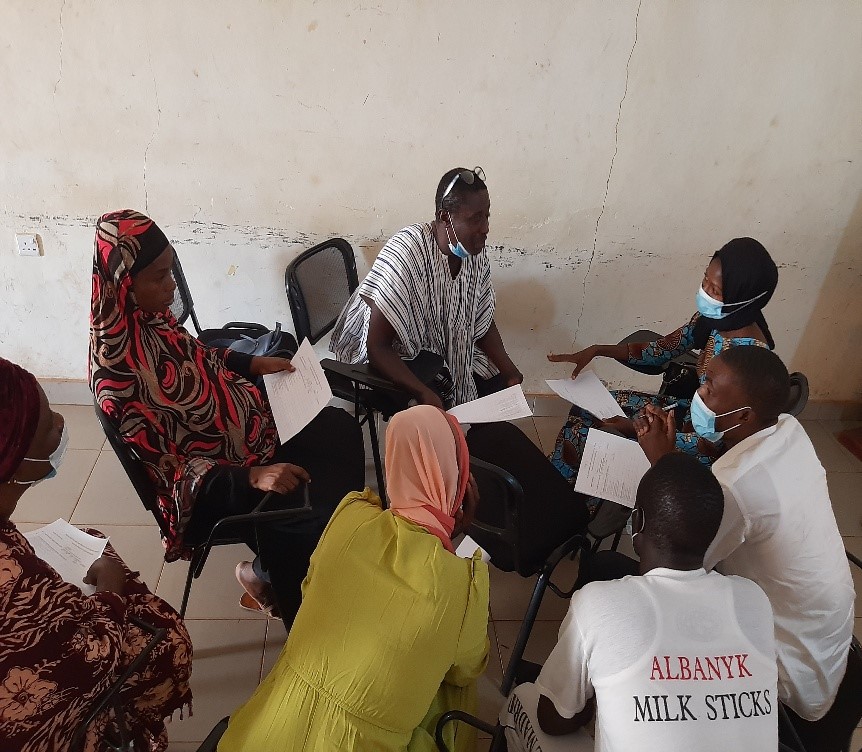
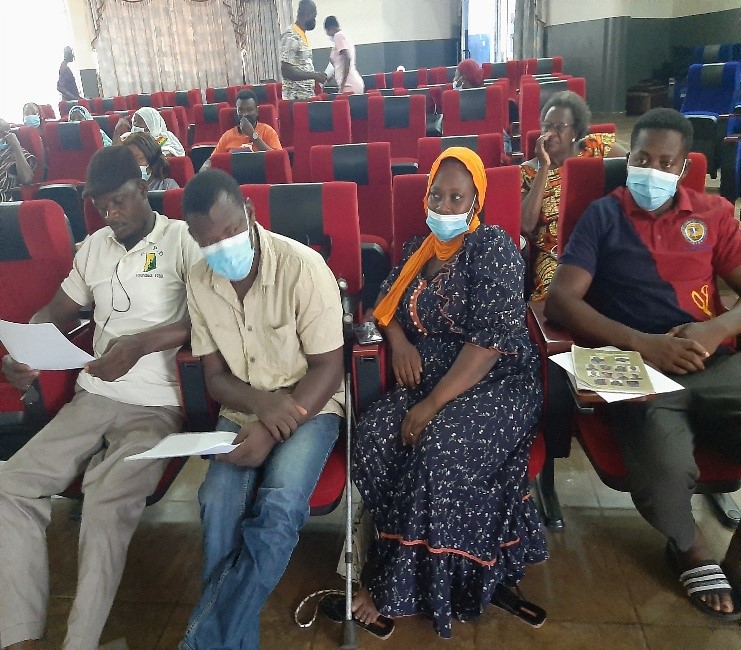
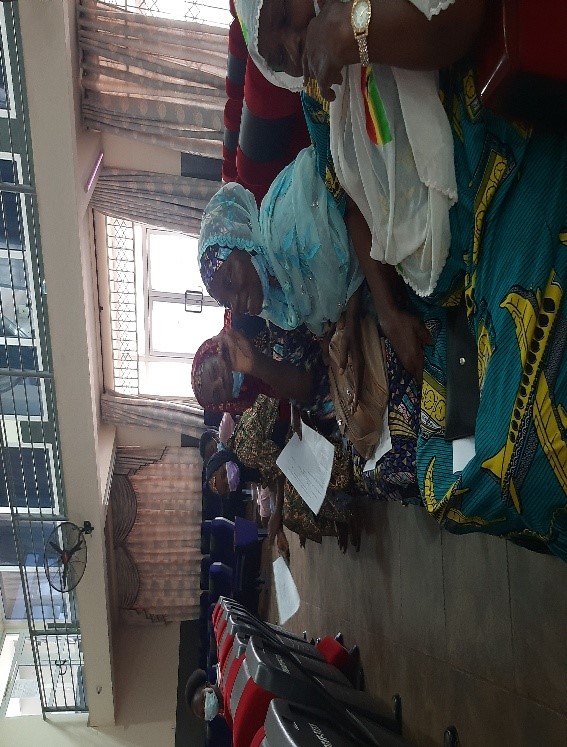
Regional and district level project inception meetings
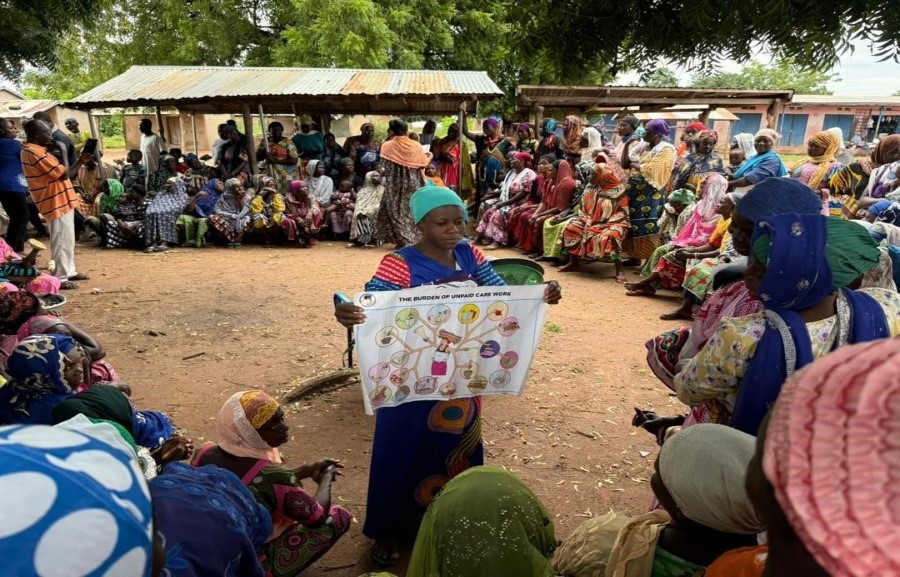
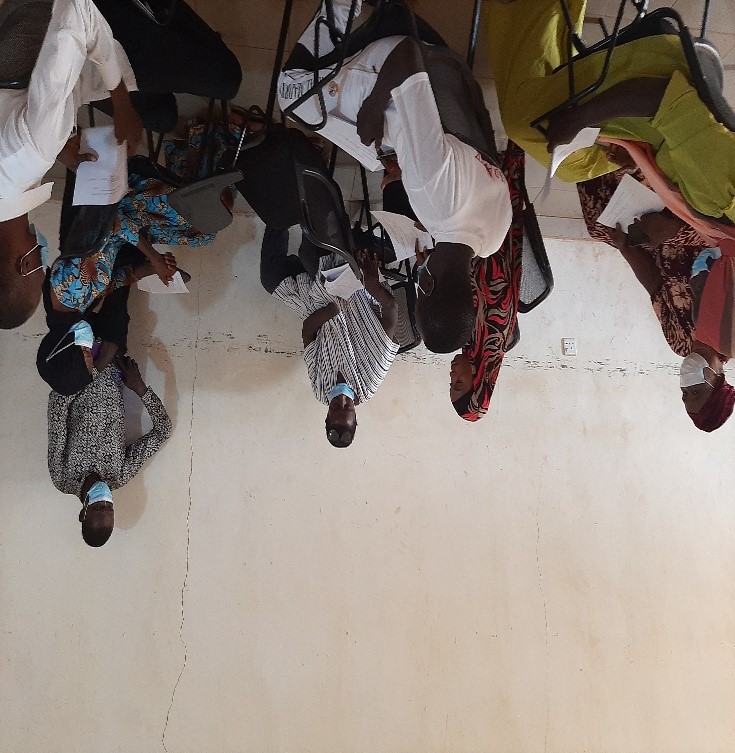
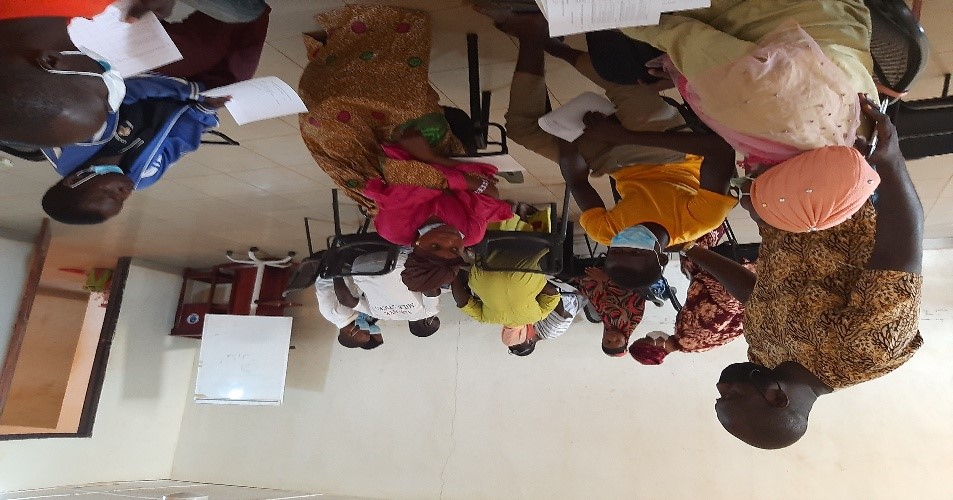
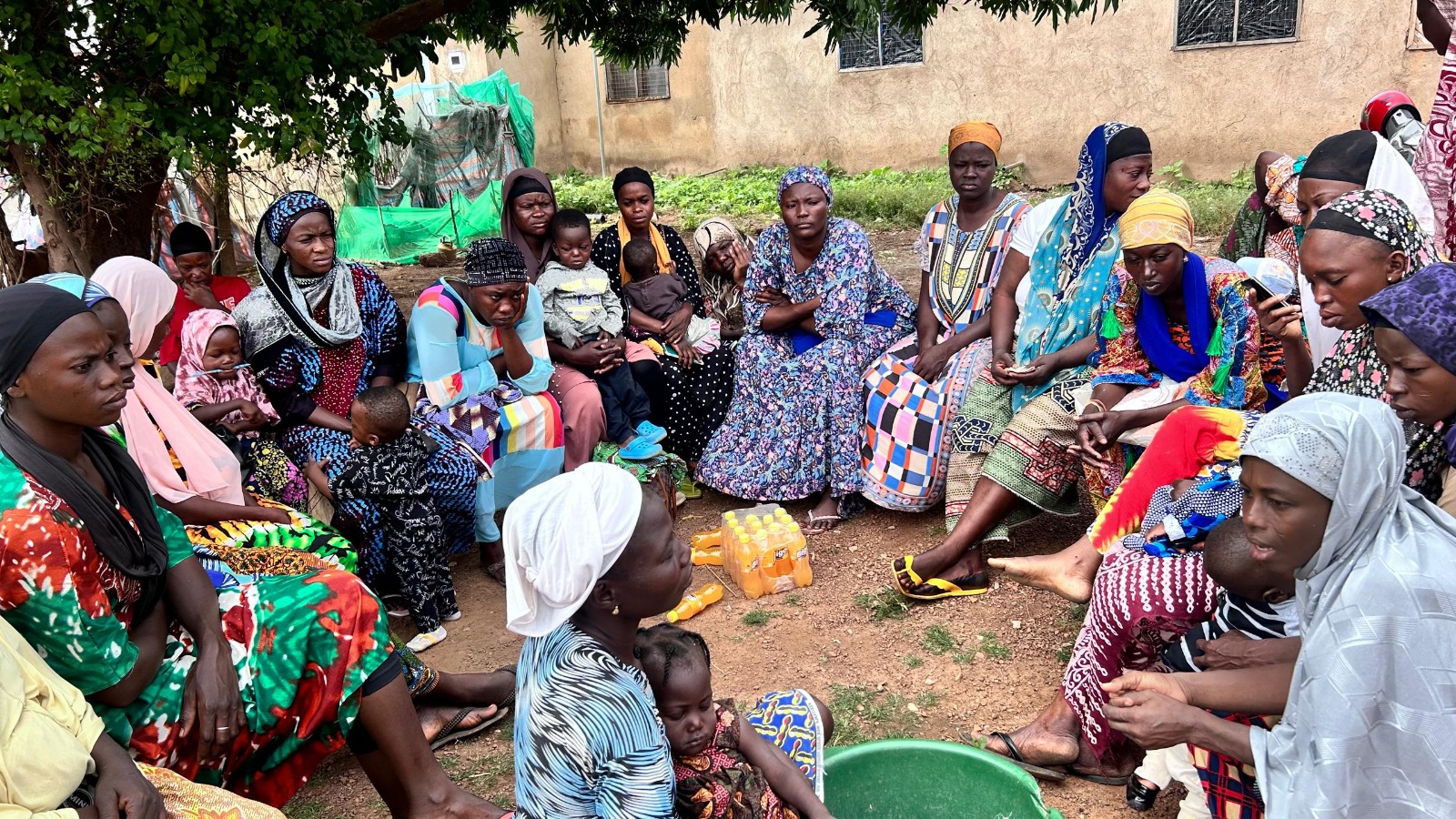
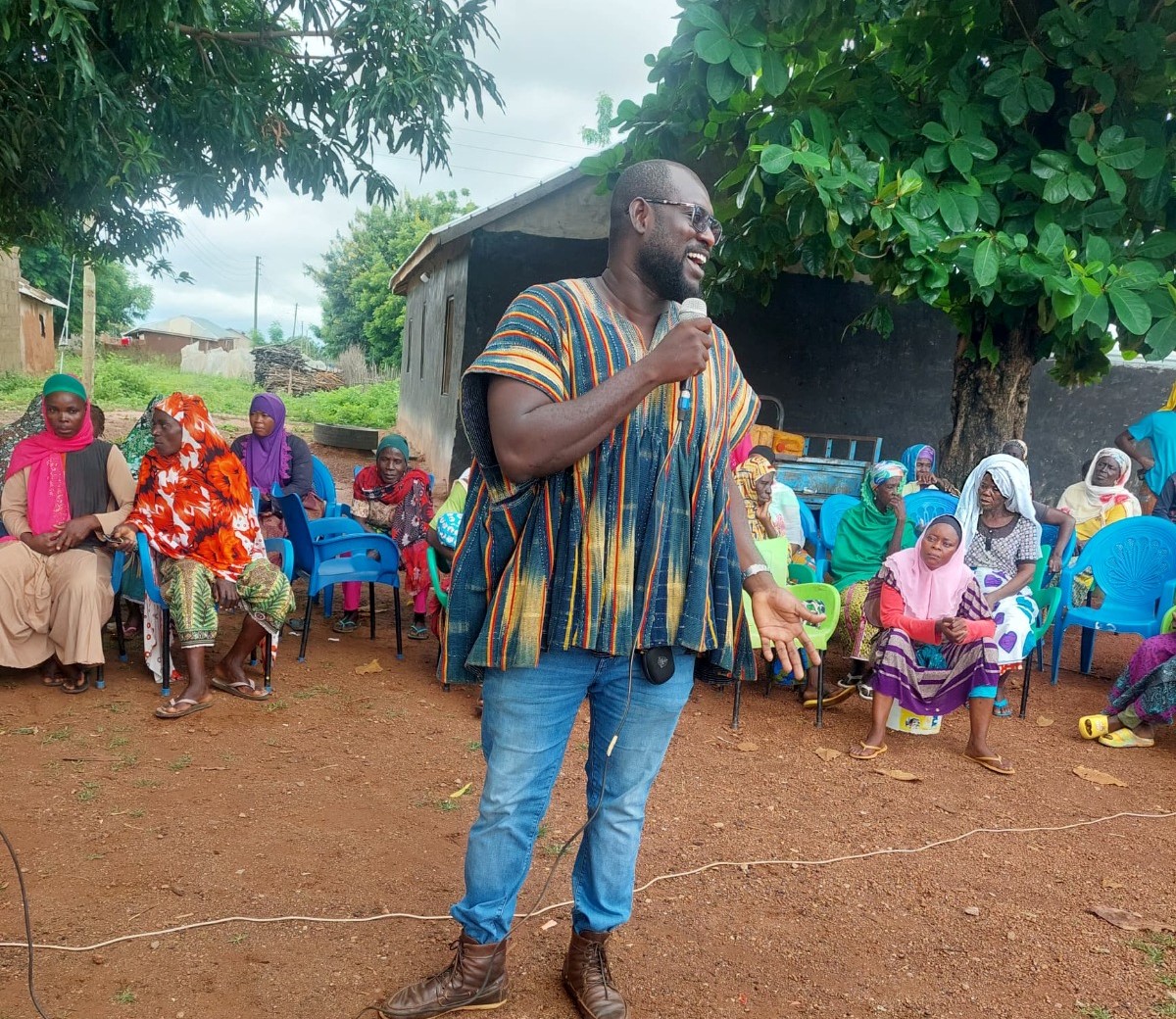
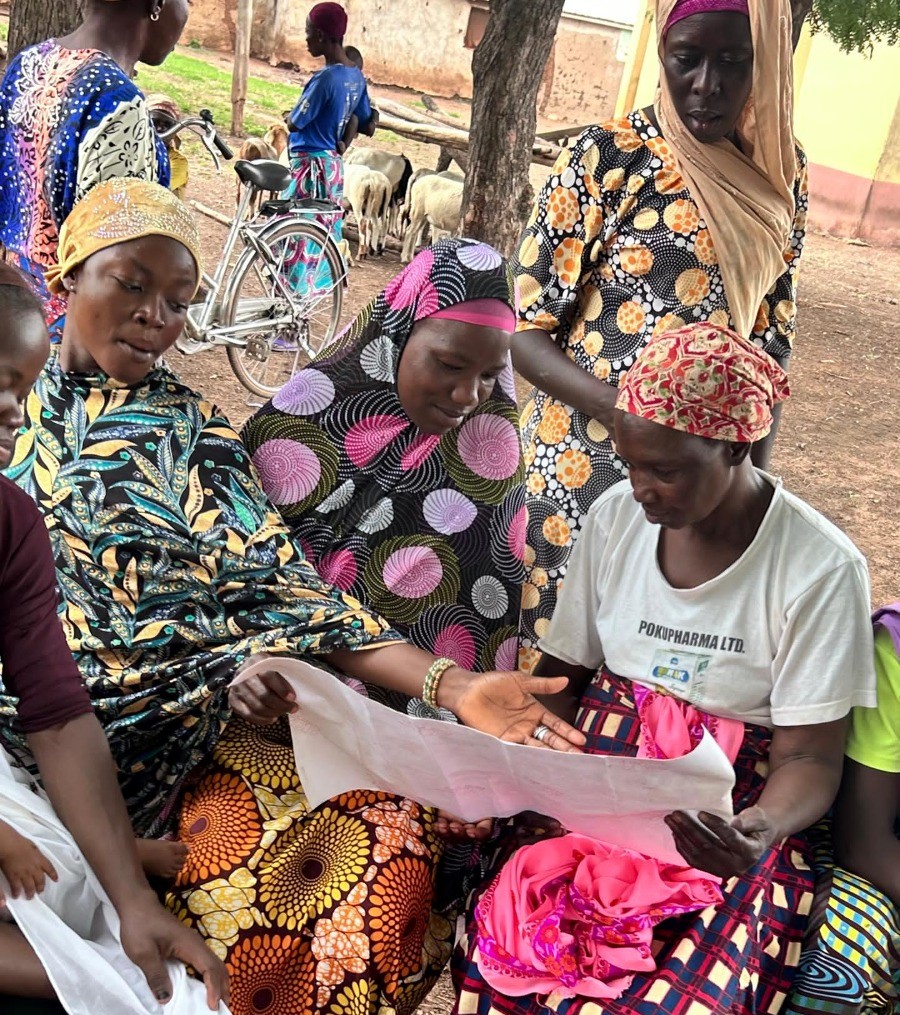
Community sensitization on the project, unpaid care work and time poverty and their relation to PHC
Recruitment and training of Gender Model Families
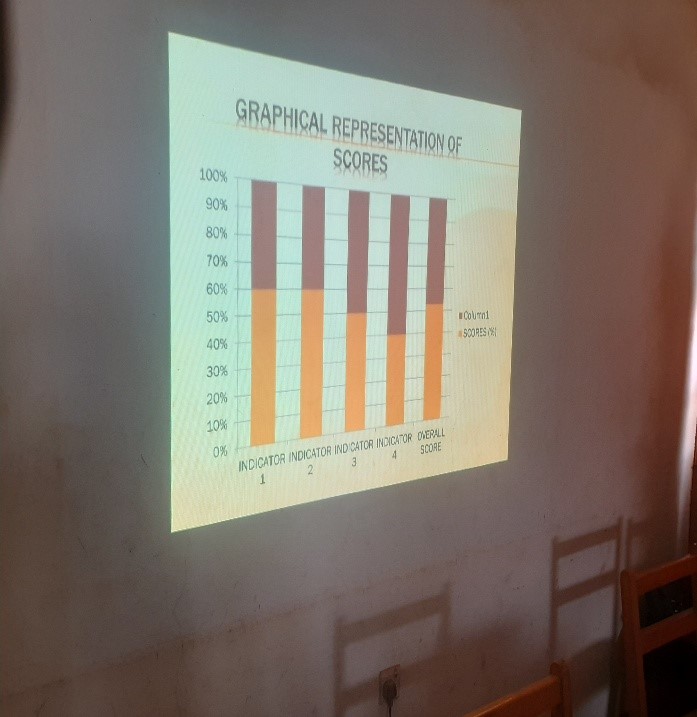
Survey on PHC service providers
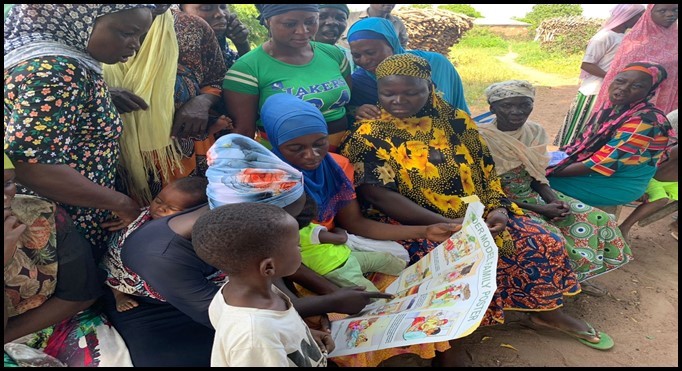
Community education on the patients' rights charter
Identification and discussion of advocacy issues on PHC with district health directorates
Achievements So Far:
Over 1,100 people in ten communities across two districts directly sensitized on the project and Gender Model Family intervention
100 families across ten communities volunteered to be Gender Model Families, successfully reducing household burden on 122 women
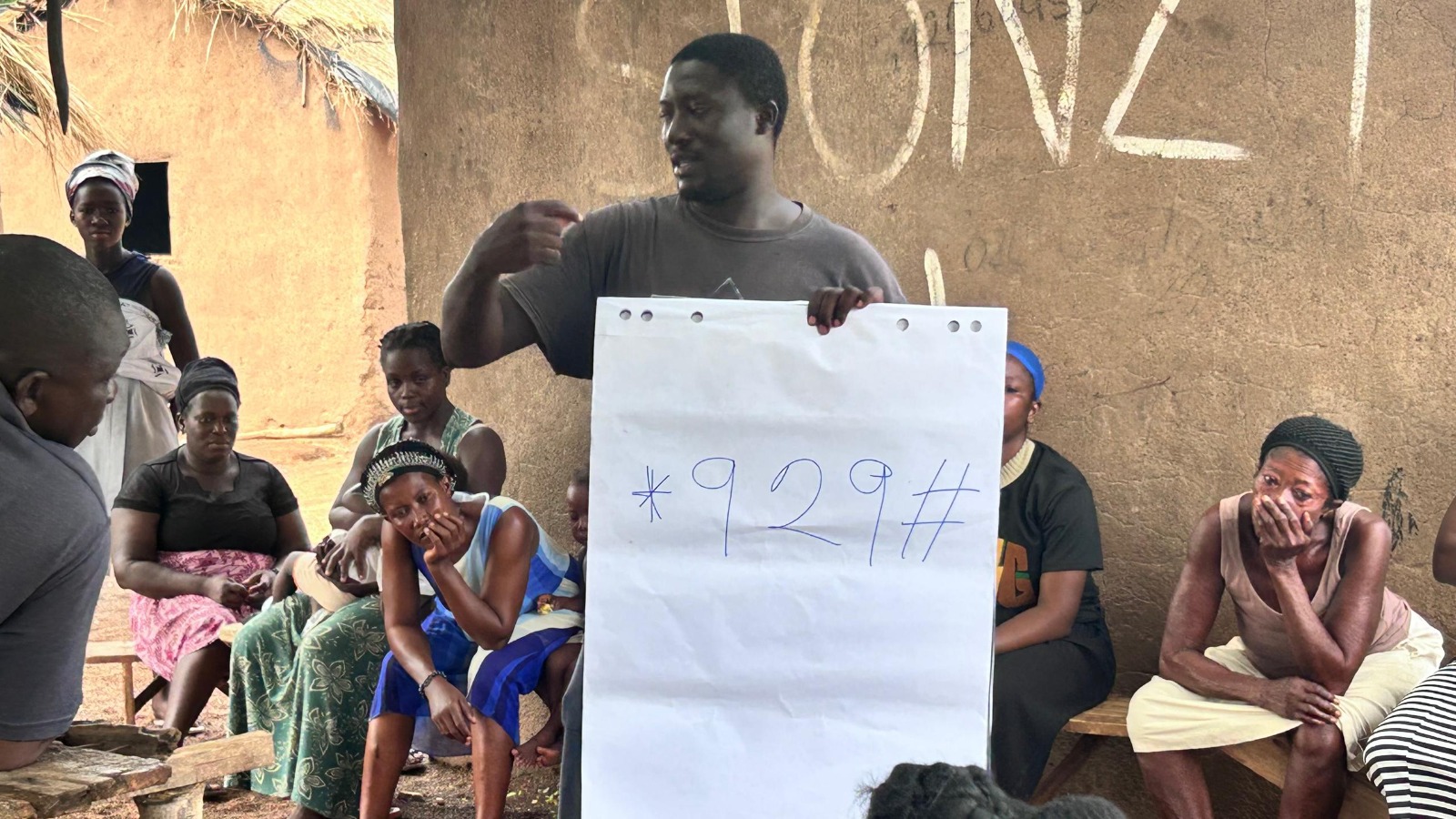
Community members sensitized on feedback mechanisms, patients' rights, and responsibilities of service providers
Over 2,300 individuals across 10 communities educated on primary healthcare covering four key modules: Socio-Cultural Barriers, Patient's Rights Charter, Health Service Packages, and Feedback Mechanisms
Vision: Women and girls will have guaranteed access to quality healthcare based on their needs, irrespective of their age, education, location, ability, ethnic and religious backgrounds.