+233 20 872 2311
Real Stories
By Alison Sanders, Executive of International Children's Trust - UK
International Children's Trust has been in partnership with Youth Alive – in Ghana – since 2012. Work has been mainly in the former 3 regions of northern Ghana: the Upper East, Upper West and Northern Regions and with vulnerable children, in particular, but not limited, to girls and addressing the obstacles girls face in situations of poverty which prevent their school attendance – including early marriage, domestic work and unpaid care work.
We have also helped develop facilities for children living with disabilities and helped overcome obstacles to attending special school provision, and supported Youth Alive develop COVID 19 mitigation strategies in the communities.
We have supported Youth Alive through a number of grant awards made by a range of Trusts and Statutory Funders (including a UK DFID grant of 3 year duration for reducing violence and other obstacles to boys and girls entry to and daily attendance of school, which was scored A for excellent performance by DFID after evaluation).
We can without hesitation recommend Youth Alive highly in its field of children's, youth's, girls', adolescents' and women's empowerment. Youth Alive has the knowledge and skills to apply real development strategies for change within the communities in which it works, and has over decades developed the trusting interrelations with traditional and poverty stricken communities and their leadership, and with government and professional stakeholders, that are needed to make meaningful programmes of work.
By David Pain, Former Comic Relief Staff & Website Builder for Youth Alive
I first came across Youth Alive when I was working for the charity Comic Relief and I was fortunate to travel to Tamale to visit the organization to make an appeals film for the Red Nose Day Television Program. I was literally blown away by the incredible work that Youth Alive were doing. I saw it with my own eyes where they were taking vulnerable children off the streets and given them a chance in life through education.
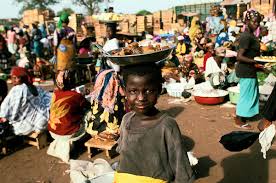
I remember visiting a market and saw many children that were waiting on scraps of corn to fall on the floor that they would collect up to take home at the end of the day to help feed their family, some of the children were only 6 years old. This child the organization ended up helping, but it was not as simple as giving the child a free education, but also the child being the one of the main providers for his families food diet, meant that they also needed to ensure that made a contribution to the family so they could continue to eat and survive.
I visited Tamale for several days, and everyone who came with me from the UK for the visit were so deeply moved. I went back to the UK to my wife and life were. I didn't really think about how I would get my next meal, I had a bank card and a local food shop that could enable me to eat whatever I would like. I was really deeply moved by my experience in Tamale and knew I needed to do something, unfortunately I wasn't in the position to help financially, so I racked my brain and thought how could I help, even if it was a very small contribution.
Alongside my day job at Comic Relief, I had a side gig that I volunteered to build a website for a couple of charities in the UK, whilst updating one of these websites I was thinking how can the world learn more about this charity. I knew the appeal film would bring a spotlight for a few days on the organization but the organization needed something more, their story needed to be told and retold to people outside of Ghana.
That is when I asked Agnes, who founded and ran the organization, if I could buy them a domain name and also build a website for them, with me covering the small cost of such a thing. The website was not just a way to raise much needed monies for the organization but also a way of telling the world the incredible work being down. This is where my story really began with Youth Alive, even though we didn't raise vast amount of money we still were able to raise monies that the organization wouldn't normally have. I remember a couple of Bergan that were getting married asked me if instead of guests buying them presents if they could ask them to donate to Youth Alive, this was a great success.
I hope and I am sure I will find a new way to keep Youth Alive a part of my life, as I will always have a place in my heart for Agnes and Youth Alive both who are both incredible. I can also say with a hand on my heart that any monies people donate to Youth Alive will help to change someone's life.
By Alhassan Hamza, a former street child now in school with Youth Alive's support
There is one major problem confronting the people of this country which if not checked and controlled will have serious effect on the economy of the nation. Streetism or street life is something no one wishes to associate with. However, certain situations push children into this kind of life or activities.
Streetism can be attributed to so many causes such as poverty, broken home, fostering, child abuse etc. Most of these children found on the street are people who can become prominent personalities if they are given the opportunity. These children engage in all kinds of activities just to earn a living. Some are the bread winners of their homes and contribute to the survival of their siblings. They do this to the neglect of their education and future.
Many of us are looking for help to move away out from street life so that they also contribute their part to the development of the nation in future. Society however thinks negatively about them. The use of inhuman words and names like 'useless', 'thieves', 'criminals', 'market vultures' and the like. In short people have no iota of respect for street children. Such people forget that these children are also human beings just like them.
A street child also has knowledge, wisdom, conscience and ambitions. The only difference between a street child and that of the home child is the opportunity that the home child has. Street children have a lot to offer if they are given the opportunity.
I was a street child but, now in school, I compete well with children from good homes. I perform better than most of them in class. If street children are given half of the opportunities that the home child has, they will perform wonders.
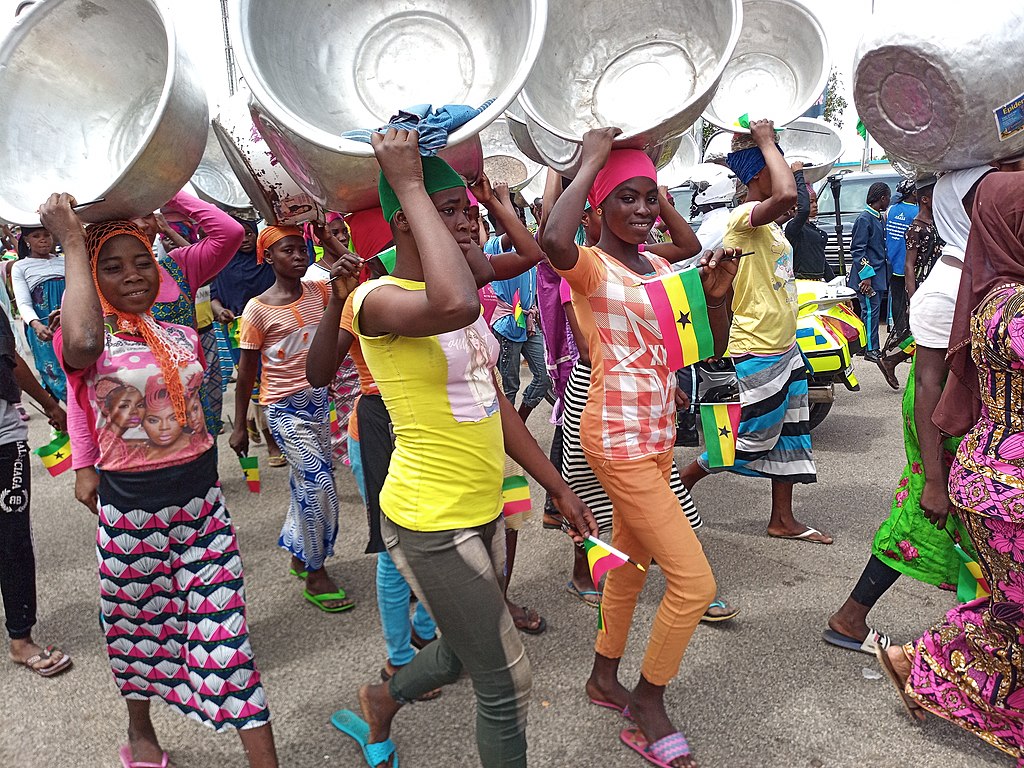
Dear parents try as much as possible to educate your children especially the girl child. I always feel very sad when I see girls suffering or working in the street/market instead of being in school due to lack of support.
Due to their inability to go to school, most of these girls migrate from the northern part of the country to the south in search of non existing jobs. These girls have no rooms to lay their heads after a hot day's suffering. They work under very harsh conditions. Talk of the scorching sun, the harmattan cold, rain, mosquitoes and what have you. Some engage in prostitution just to earn a living. They give themselves out to unscrupulous men who end up impregnating them.
They very often engage in menial or tedious jobs. They carry very heavy loads for their clients to the detriment of their health. Can you image a girl of about 12 years or a little over that age carrying a load weighing between 30 – 40 kg? This kind of job is what we call Kayaye, meaning porter.
I never for once thought that human beings could be exposed to such a chilling whether condition until I was taken to the sleeping places of these Kayaye girls in Agboblorshie, Accra, to see things for myself. They were all small girls from Northern Ghana. I have since then vowed to sensitize any young lady or girl I meet who has the intention to travel to the south for such jobs.
These girls do not only suffer by carrying heavy loads or sleeping under chilling whether conditions but also human injustices. They are verbally abused, assaulted, raped and sometimes have their belongings stolen. Most of them return to the North either with sexually transmitted diseases or unwanted pregnancies. These kinds of pregnancies also produce fatherless children who end up in the street. Thus, continuing the cycle and reinforcing the poverty situation in the family.
I am so thankful to God and Youth Alive for the support being given to me to enable me achieve my ambition. But for this support, I would equally have been in the south undergoing this kind of suffering.
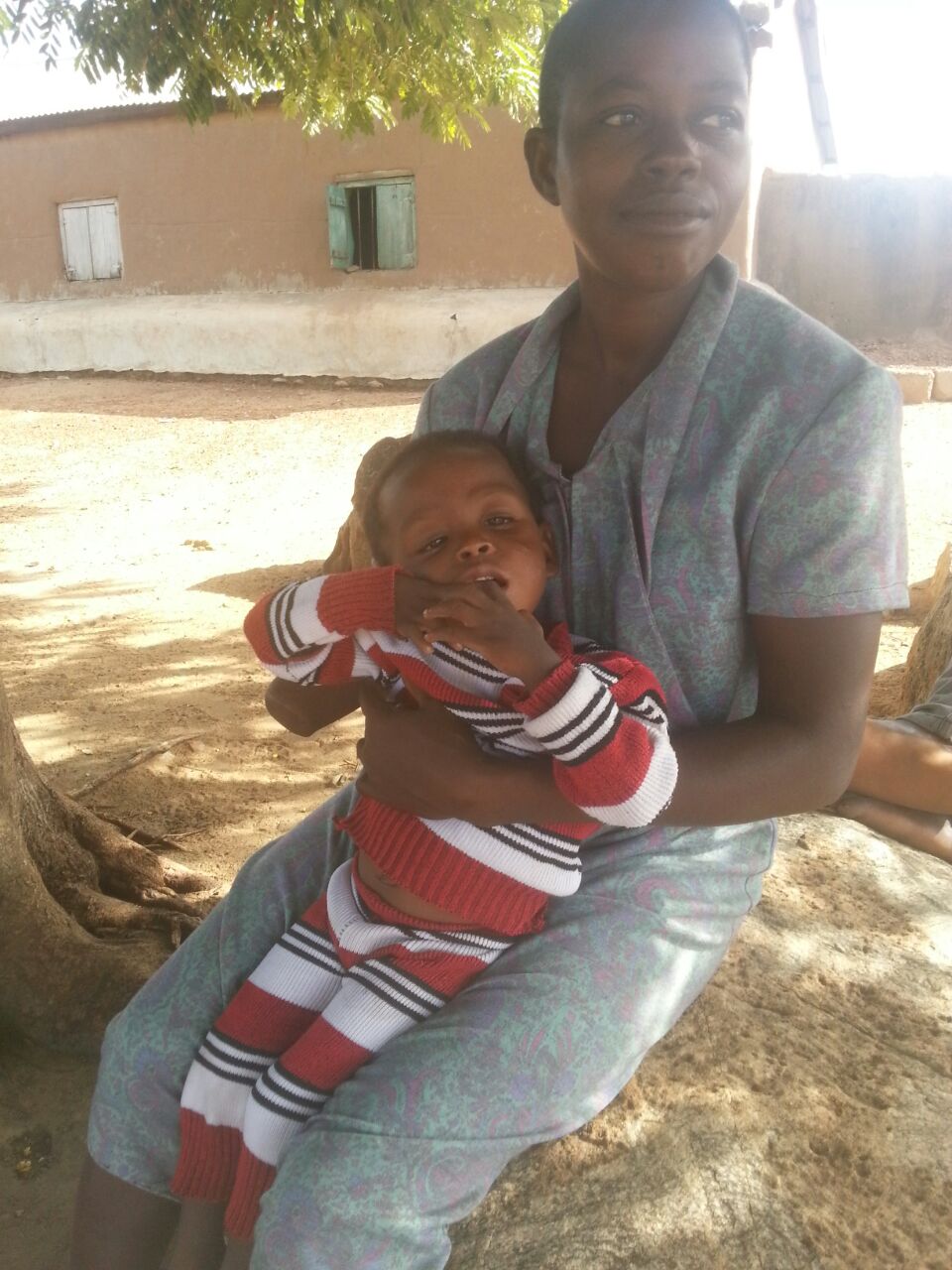
Ayane was born to Apasiba (mother) and Adoliwine (father) with multiple disabilities in Ganni, a community in the Kassena-Nankana Municipal of the Upper East Region of Ghana. Ayane was born paralysed, neck not firm and also no speech.
Unable to walk, speak and control his neck at age two, rumors spread fast in the village to the effect that Ayane is a spirit child. To ascertain the truth or otherwise of this rumor his father consulted a soothsayer who corroborated the rumor. Culturally, children born with disabilities are perceived to be a bad omen to the family and must be killed so they do not bring untoward hardships to the family.
'Ayane' in the local language means 'disgrace' or 'shame'. It is clear then that at birth Ayane's parents saw the disability and already had misgivings about their child. They only just waited for concrete signs as he grew up to confirm their suspicion and to justify why his right to life should be ended.
Thanks to Youth Alive's work with traditional authorities to scrap obsolete cultural practices that violate the rights of children, traditional authorities have banned killing of so called 'spirit children' in all communities benefiting from our projects. The chief, upon receiving the parents' intention to kill Ayane, quickly convened a meeting where it was explained that their son was as human as any child but only had a disability.
The story of Ayane is a testimony of just one of the many significant changes taking place in communities in which Youth Alive works to reduce violence against children in Northern Ghana. It shows how eliciting the cooperation of traditional authority can result in modifying or eliminating obsolete and harmful cultural practices.
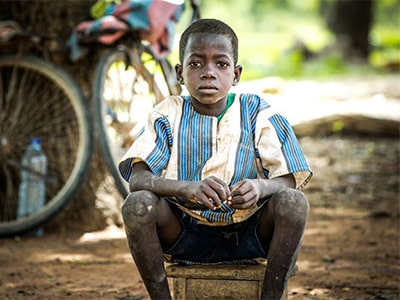
There is a lot of good news in Ghana. Ghana is politically stable compared with other African nations. It has just completed its fifth consecutive peaceful democratic election. Economic growth has been expanding steadily since 2000 with annual GDP increasing from 3.7% in 2000 to 7.3% in 2008. Poverty is falling! In 1991/2 the national poverty rate was 52%. By 2005/6, this was down to 28%.
However, these impressive achievements obscure the huge differences within the country. The three northern regions tell a different story. People in these regions suffer grim hardship, experiencing poverty levels of 88%, 84% and 70% in the Upper East, Upper West and Northern Regions respectively. The main occupation is rain-fed subsistence farming which is limited to the short rainy season, leaving most people vulnerable to persistent food insecurity and no creation of livelihoods for a large part of the year.
Youth Alive is working with some of the most vulnerable groups within these three regions to break this cycle of poverty through education, vocational training, and community development programs.
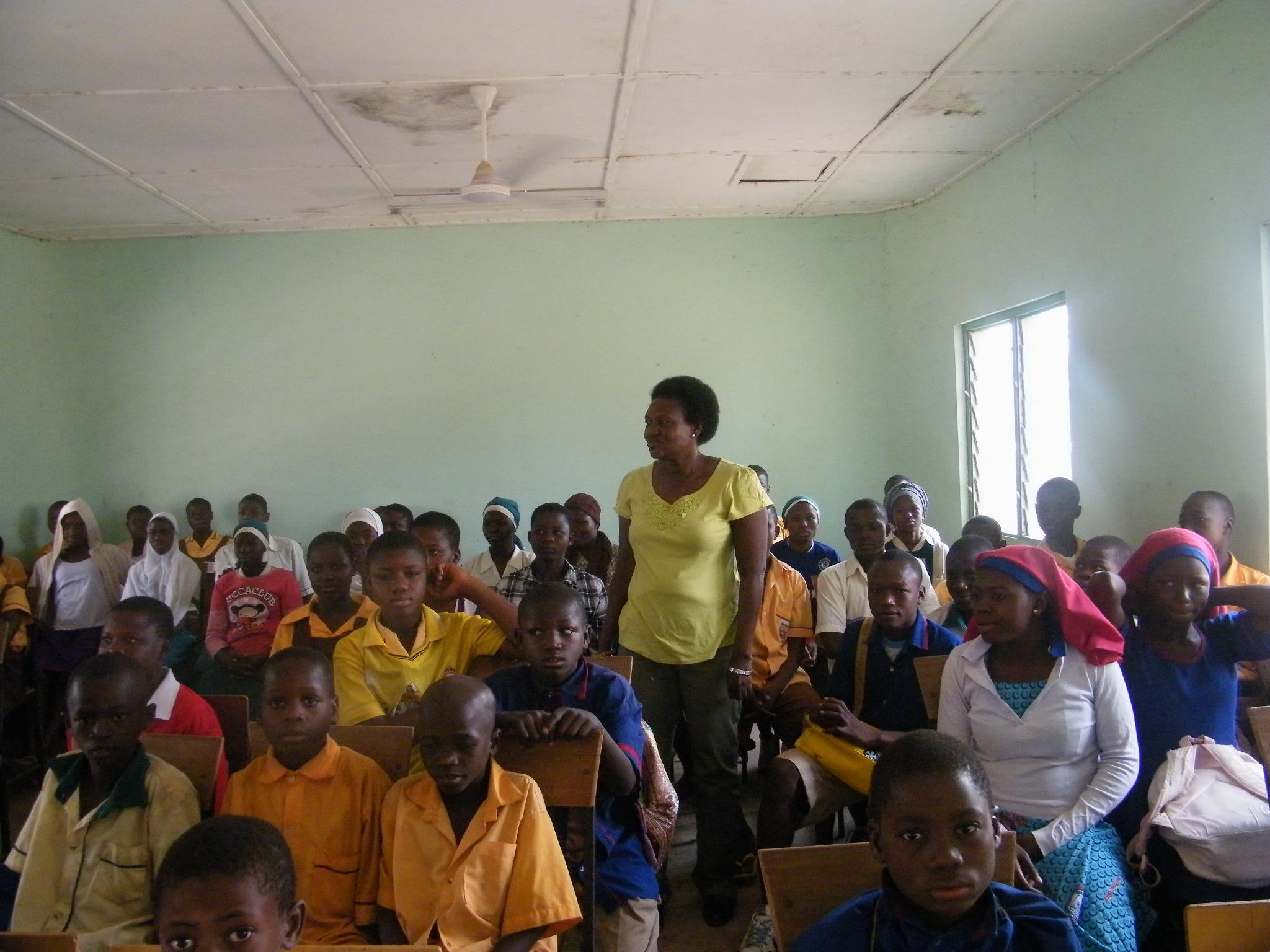
Youth Alive Ghana strives to make interventions demand driven by providing space for our beneficiaries to express their opinions and views regarding adequacy, quality and efficiency of services we deliver
The platform provided is the quarterly stakesholders review meetings. This is a review meeing involving our children in school.
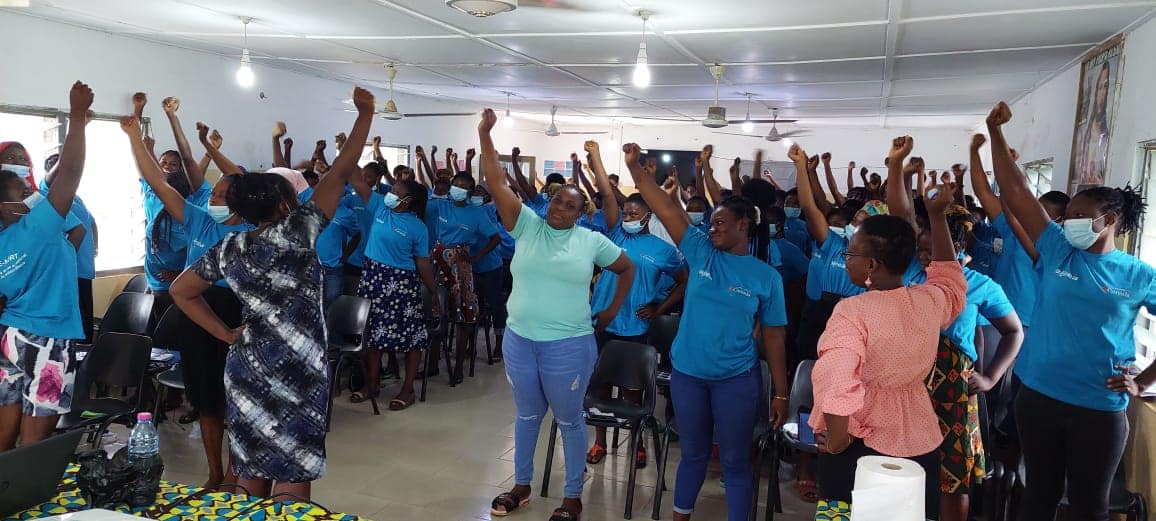
The Upper East Region Girls' Empowerment Camp at the Farmers Centre in Pusu-Namong. Themed "The New Me".
The Camp prepared 90 SHS, Polytechnic graduates for placement into the Bolgatanga and Bawku Technical Institutes to learn industrial trades of their choice, after which they will go into Industrial attachment to learn more skills in their chosen areas.
They were equipped with knowledge and skills to believe in themselves, be confident, have the "Yes, I can" attitude, and go into the world as new individuals, ready to break the stereotypes and barriers that ascribe well paying trades such as Plumbing, Woodwork, Bricklaying & Tilling, Elctrical Installation, etc to males and the choked/low paying trades such as dressmaking and hairdressing to females. The Girls' Camp was funded by Wee-North Project Ghana (Alinea) a Canadian organisation
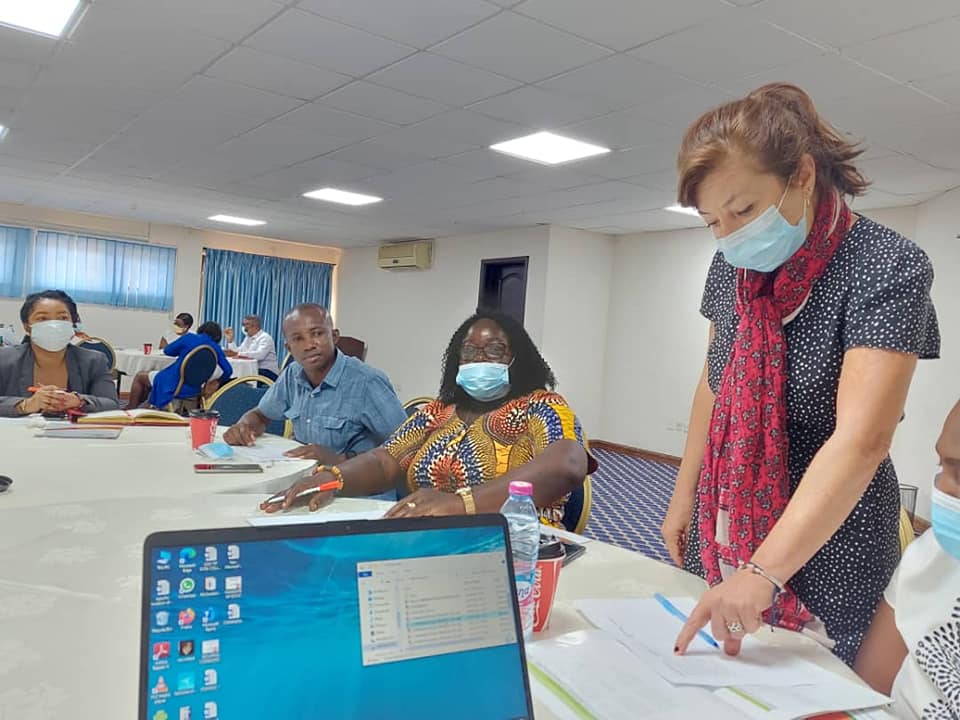
As part of the implementation of the National Plan of Action (NPA) to support the Government's fight against human trafficking, the Ministry of Gender, Children & Social Protection through the Human Trafficking Secretariat (HTS) with funding from the European Union in Ghana is facilitating a two-day stakeholder consultative workshop from 28th to 29th July, 2021 towards the development of a communication strategy.
The communication strategy on human trafficking aims at ensuring an all - inclusive stakeholder inputs into the strategy and also create awareness on issues of human trafficking.
Youth Alive is ably represented in this discussion by Mr. Peter B. Tanga (seated second from right) our Upper East Region Programne Manager