+233 20 872 2311
Major Initiatives
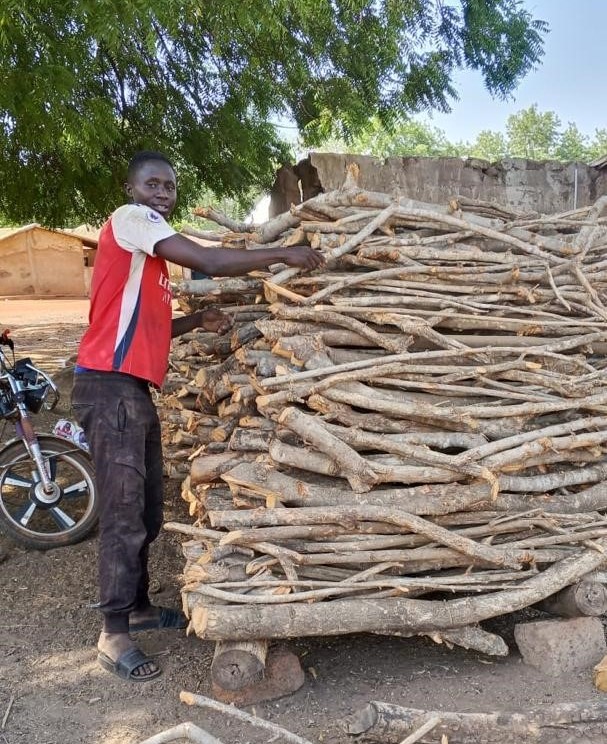
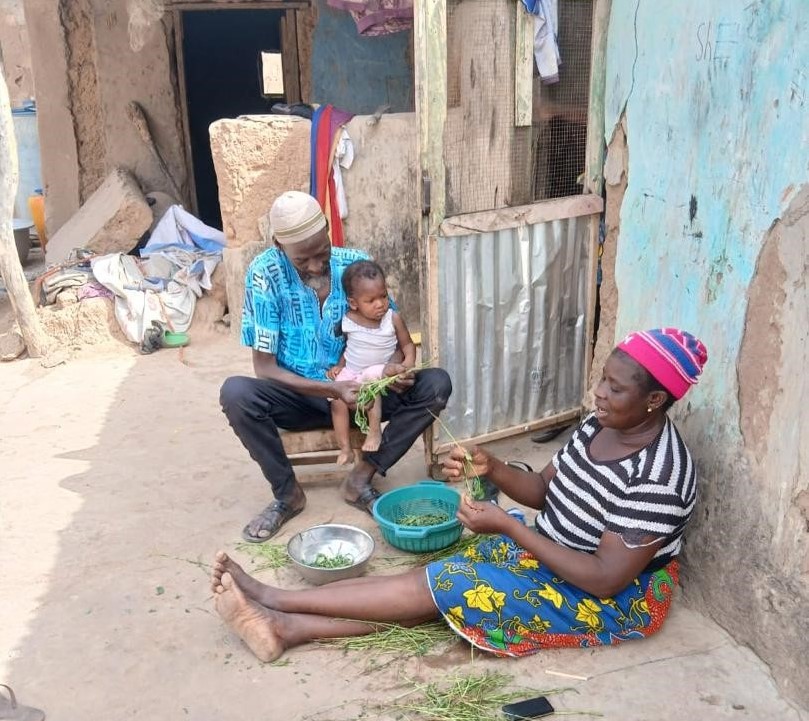
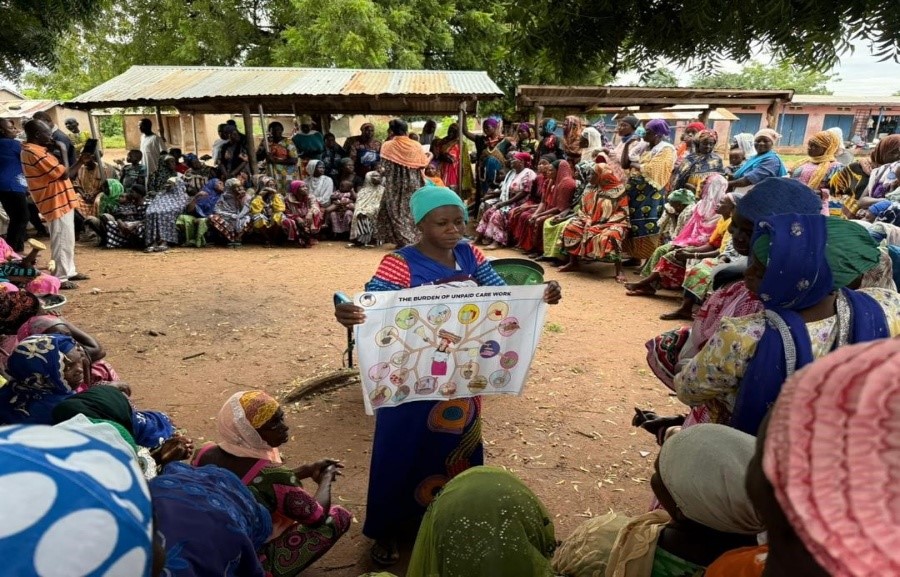
Duration: Five Years (2024-2029) | Donor: Global Affairs Canada
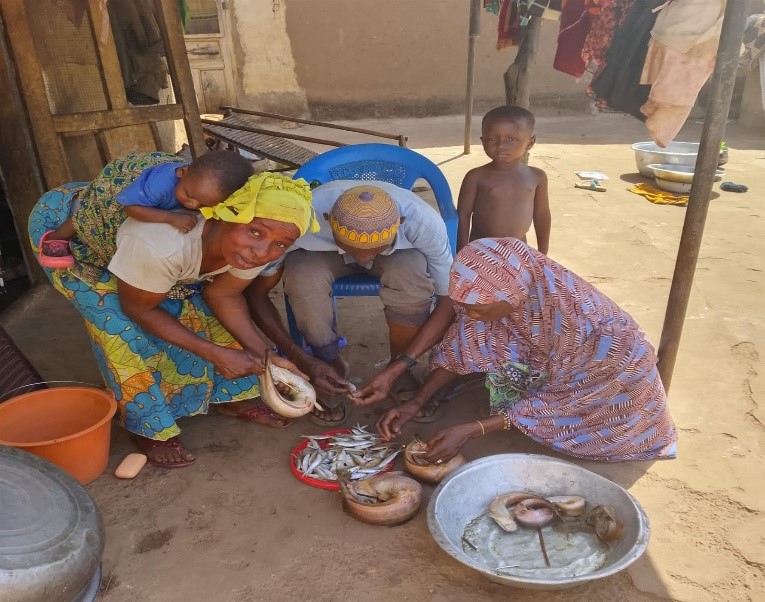
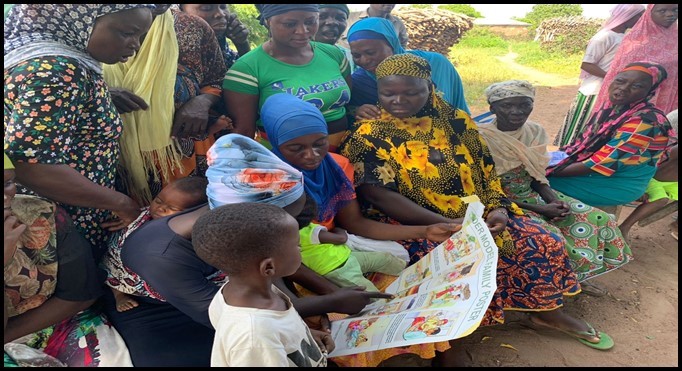
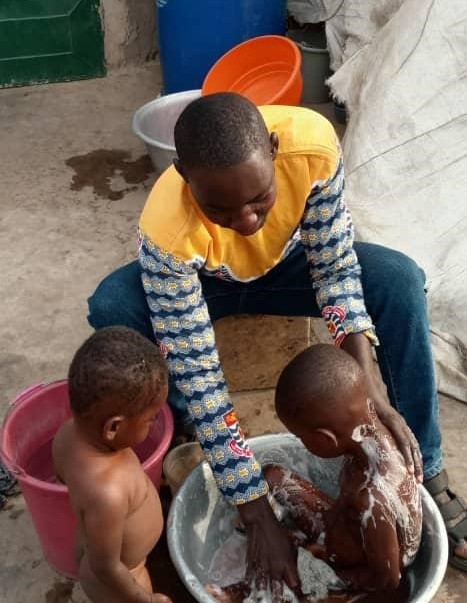
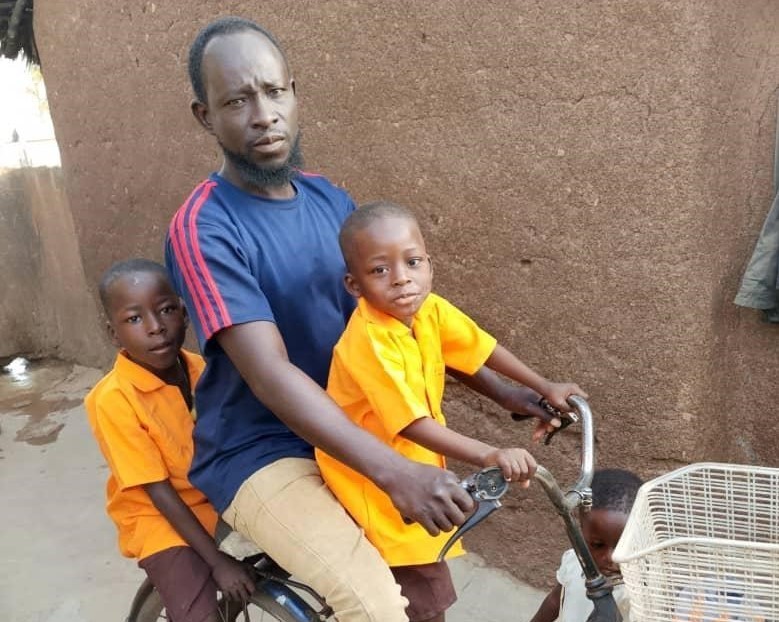
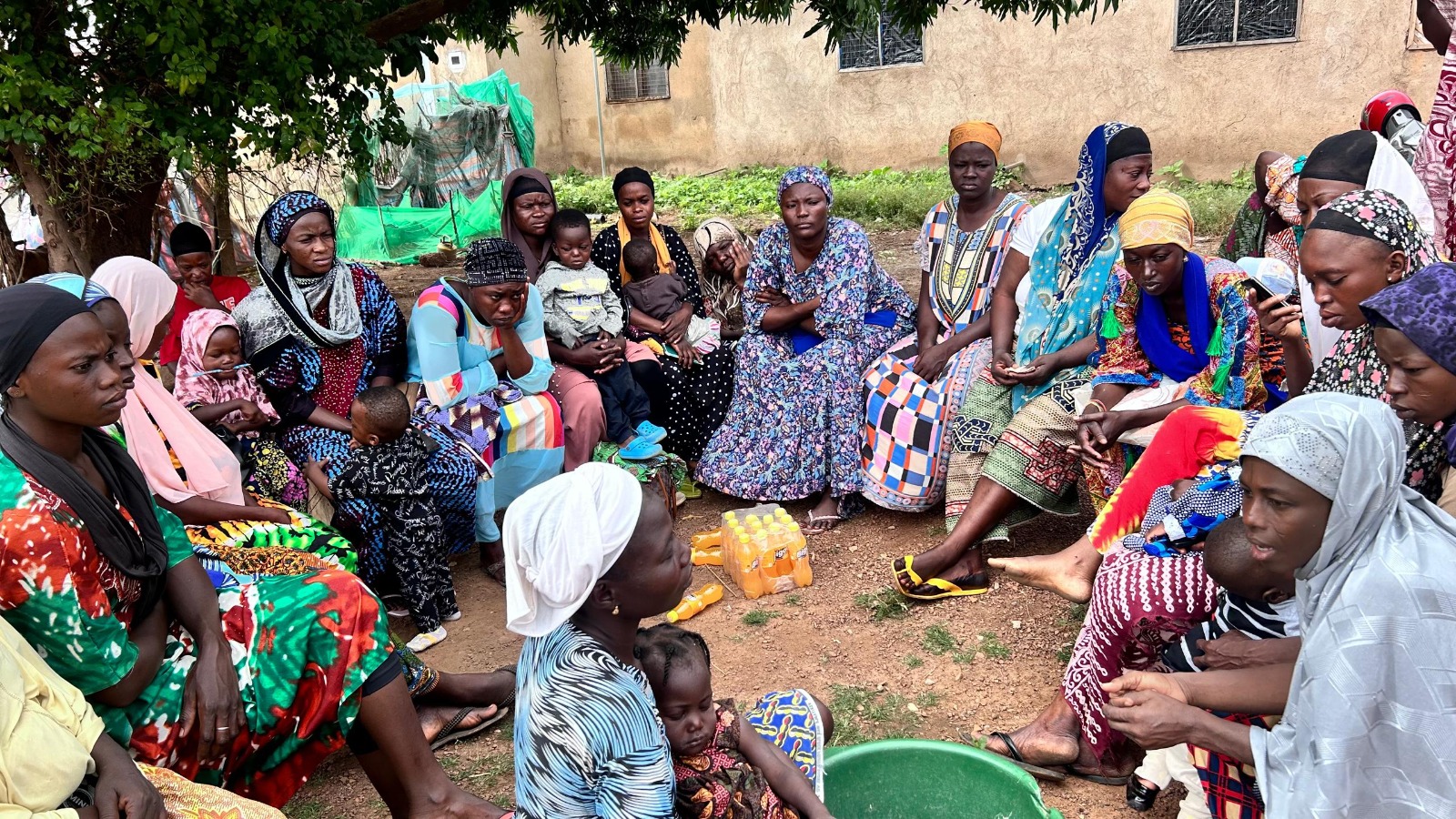
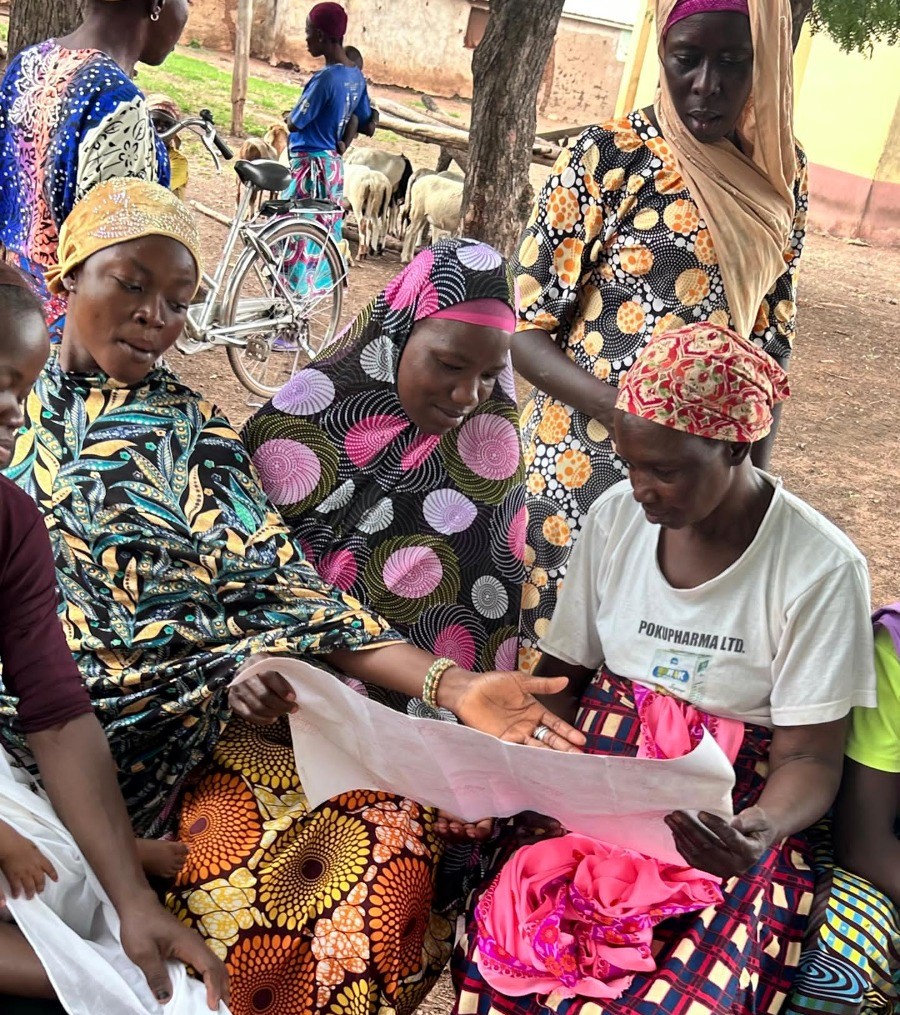
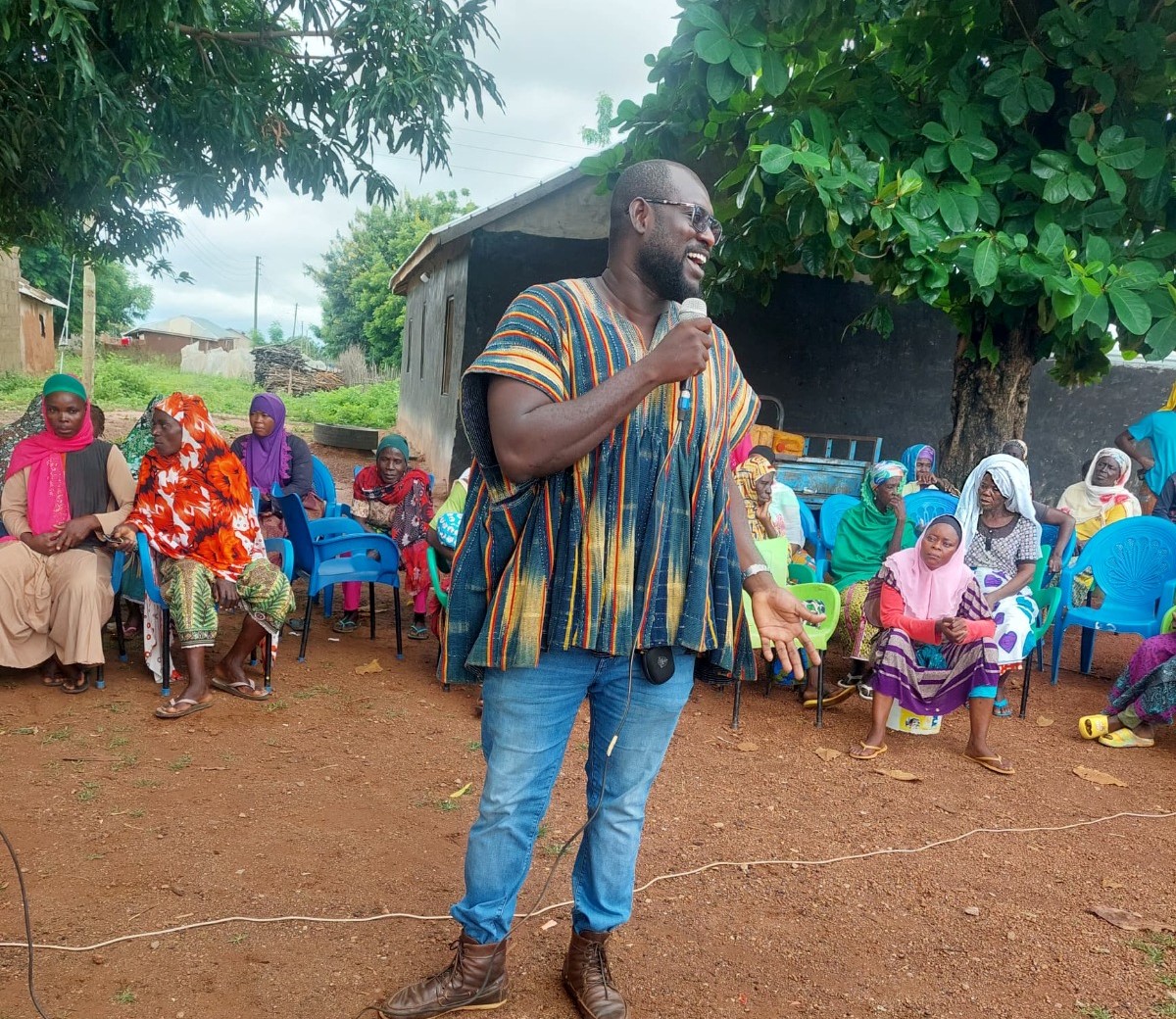
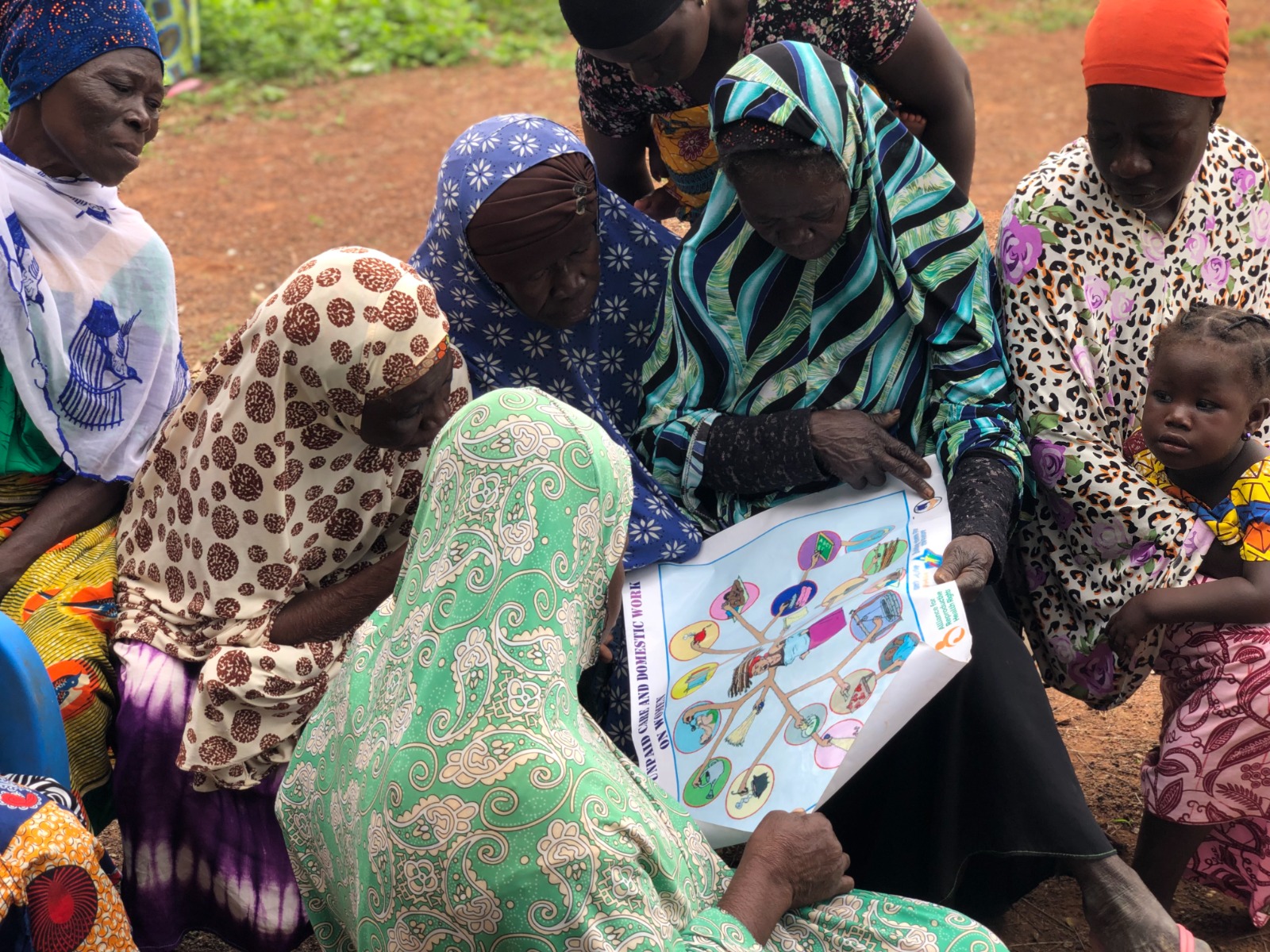
Unpaid care work is essential for families and communities but is often undervalued and can negatively impact women and adolescent girls in terms of their education, health, participation in public life, and economic status. UCARE is a five-year project being implemented in 10 districts across the Northern, Northeast, and Savannah Regions of Ghana, funded by the Government of Canada.
The project is led by Alinea International in partnership with SEND Ghana, NETRIGHT, local Women's Rights Organizations including Youth Alive, and government institutions including the Ghana Statistical Service and the National Development Planning Commission.
Ultimate Outcome: Enhanced realization of women and adolescent girls' rights to equal distribution of domestic work and reduced burden of unpaid care work in Northern Ghana.
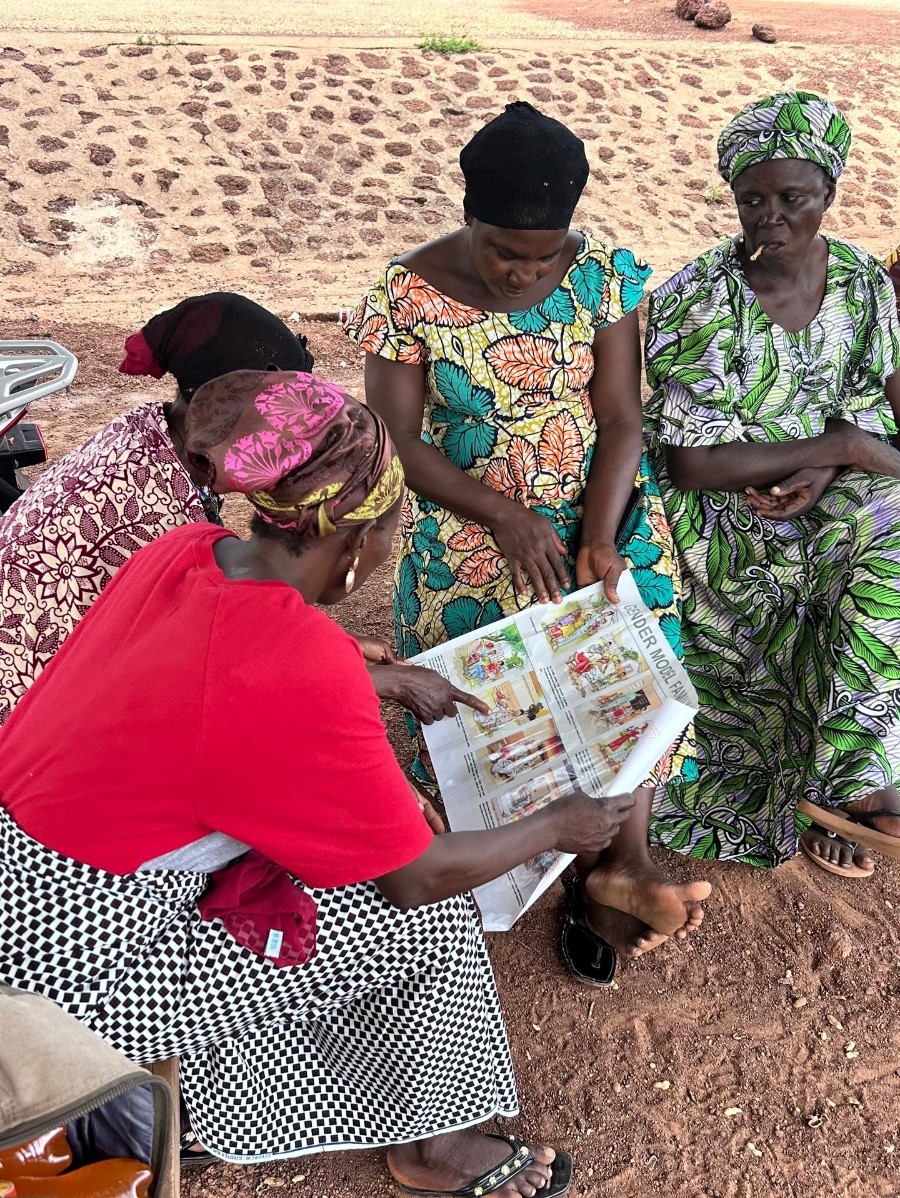
Implementation Approach: The Gender Model Family (GMF) approach will be carried out in three key ways:
Achievements By Youth Alive (Northeast Region):
When women and adolescent girls are free of time poverty, it creates an environment for them to maximize participation in education, employment, health, businesses, politics, and leisure activities.
Duration: Five Years (2023-2027) | Donor: Co-Impact
Ghana has committed to achieving Universal Health Coverage (UHC) for all, leaving no one behind, in line with national commitments to the Sustainable Development Goals. However, current interventions are not adequately responsive to the healthcare needs of women and girls or sensitive to the socio-cultural circumstances affecting their access to and utilization of services.
The National Health Policy envisions holistic, comprehensive, equitable, affordable and responsive health services. To achieve this, women's active participation as informed clients, rights-holders, co-creators and agents of change must be ensured at all levels – from the family and community to sub-national and national government levels.
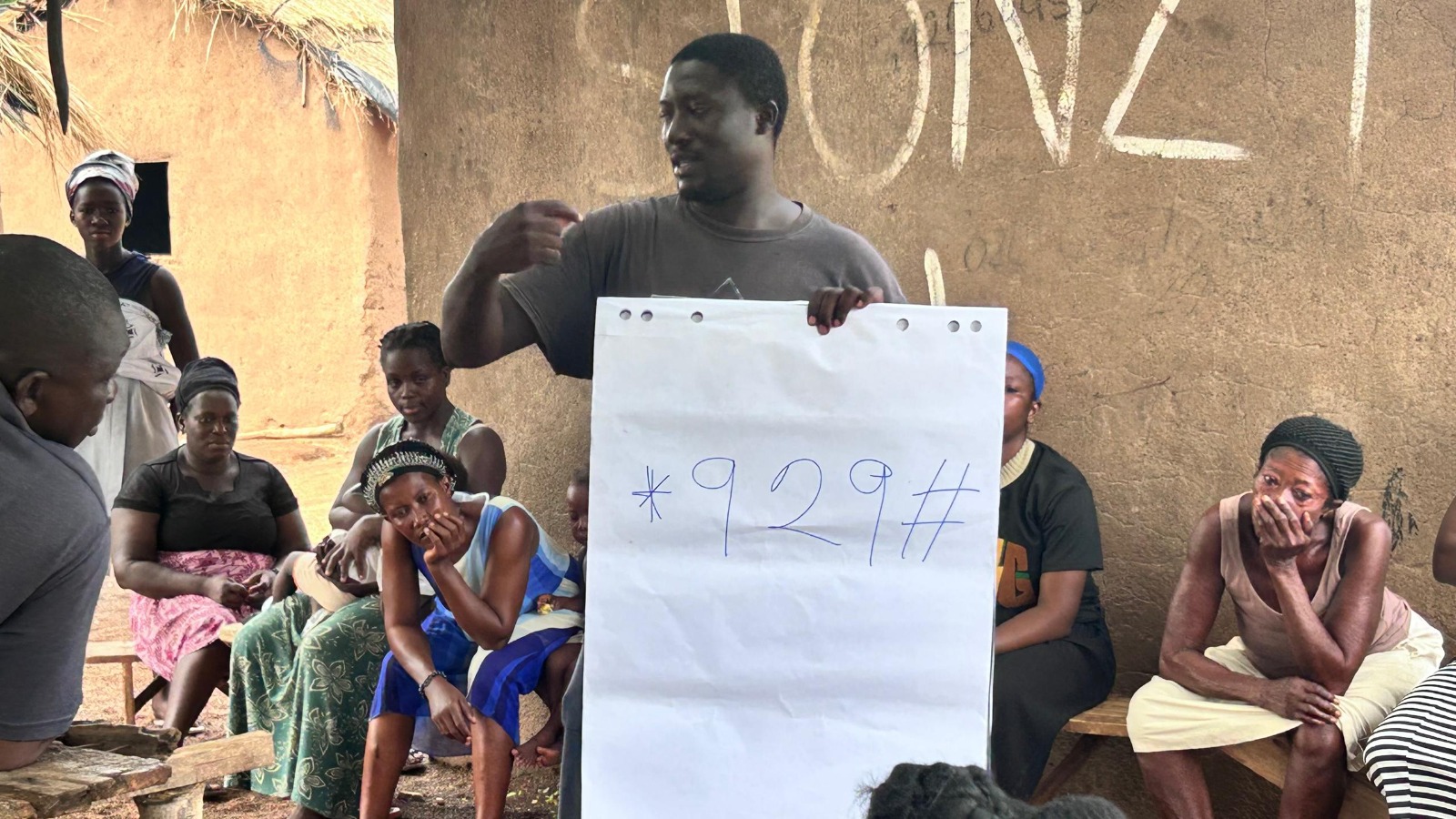
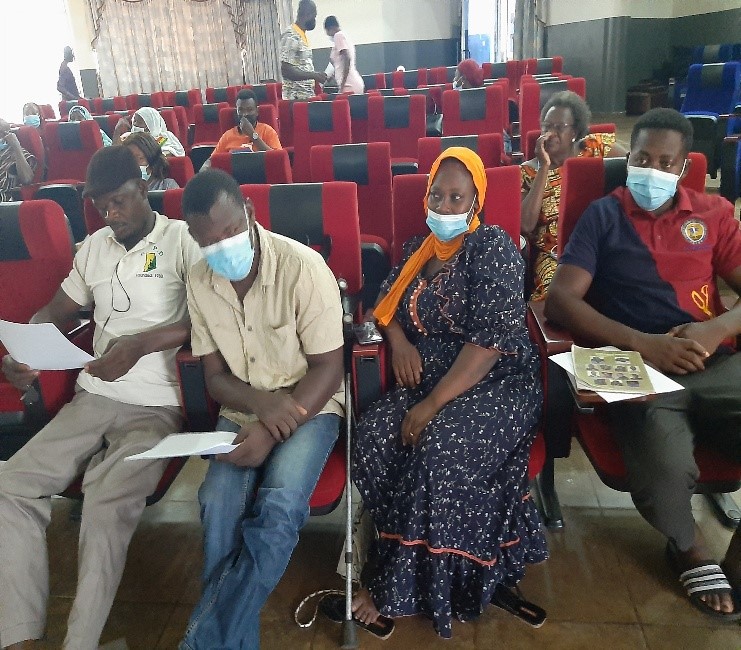
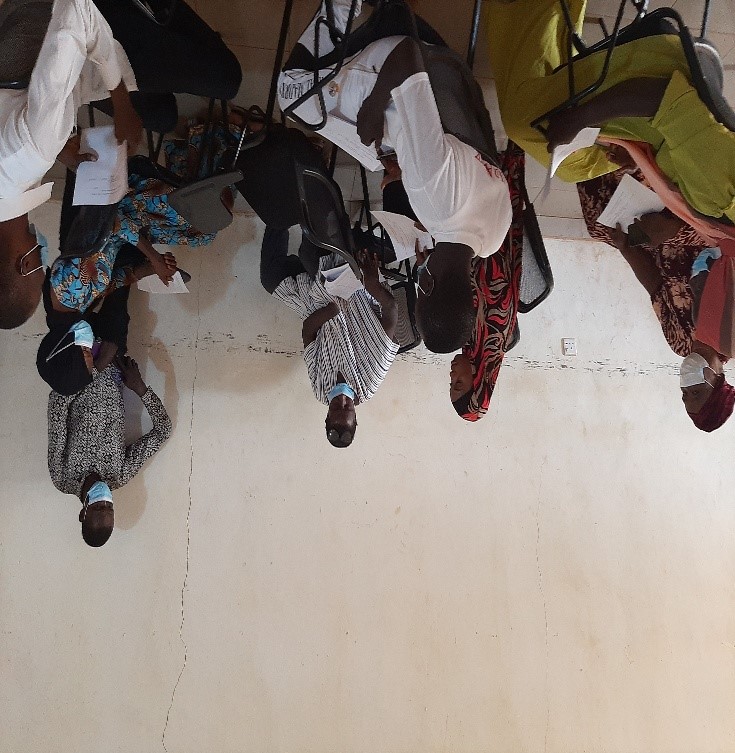
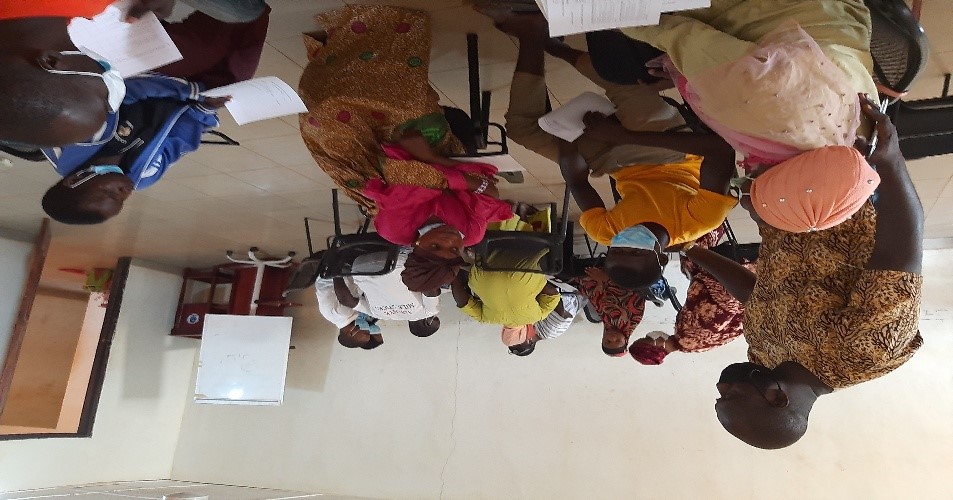
This project strengthens the Primary Health Care (PHC) system using a gendered approach by adapting SEND's Gender Model Family (GMF) approach. The GMF is a gender-transformative community mobilization strategy addressing unequal power relations between women and men by promoting equitable redistribution of unpaid and domestic care work among all household members.
Four Priority Areas:
Project Activities:
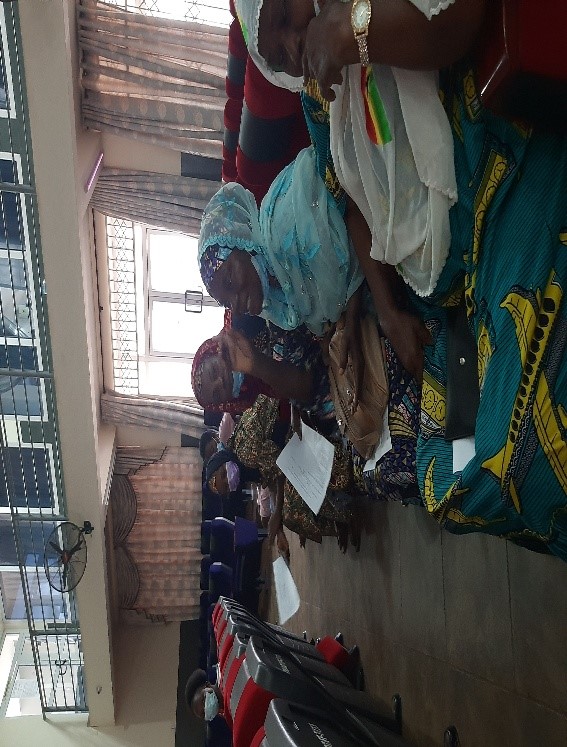
Achievements So Far:
Vision: Women and girls will have guaranteed access to quality healthcare based on their needs, irrespective of their age, education, location, ability, ethnic and religious backgrounds.
Duration: 7 months | Funded by: STAR Foundation
Access to finance has been identified as a dominant constraint facing Micro, Medium and Small-Scale Enterprises (MSMEs). A World Bank study found that about 90% of small enterprises surveyed stated that credit was a major constraint to new investment. During the COVID-19 pandemic, most businesses in Ghana suffered significantly due to social and economic impacts, causing them to operate at a very slow pace or even shut down.
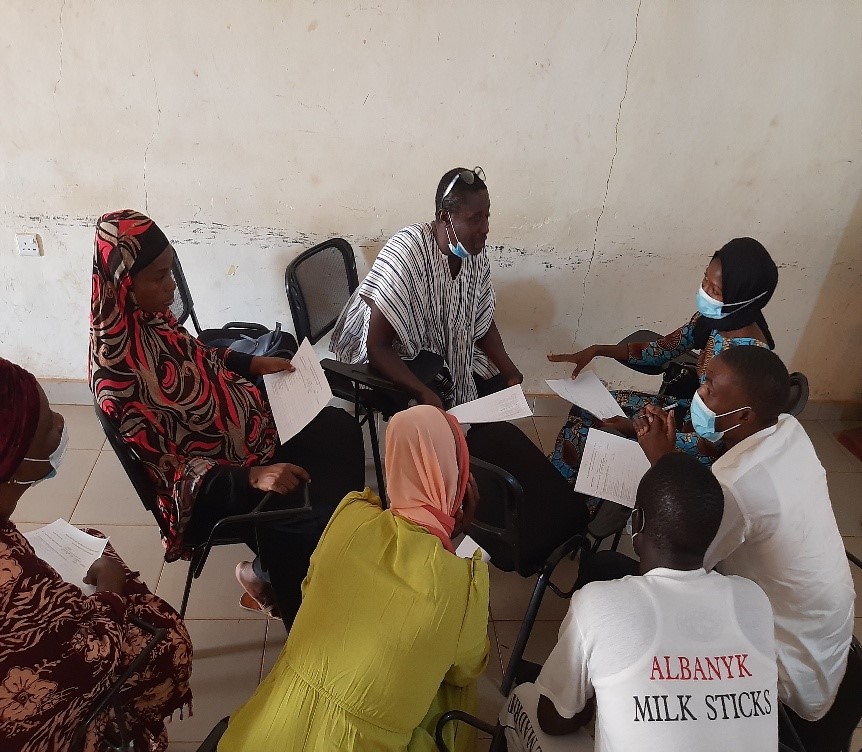
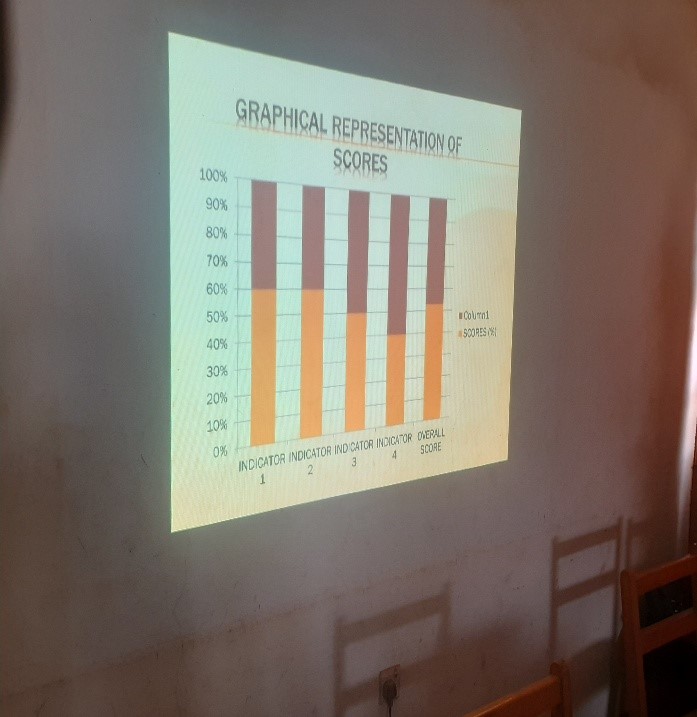
The Baobab Initiative for Social Accountability (BISA) is a coalition project of Youth Alive, CALID, and GDCA under the STAR Ghana Foundation Partnership Beyond Aid program. The project was designed to assess the impact of government support to MSMEs and evaluate the effectiveness of government's relief initiatives from the perspective of beneficiaries.
Government Relief Programs Assessed:
Implemented across seven districts in the Northern, Savanna, and Northeast regions, BISA conducted comprehensive social accountability assessments to provide critical feedback for policy improvement.
Project Activities:
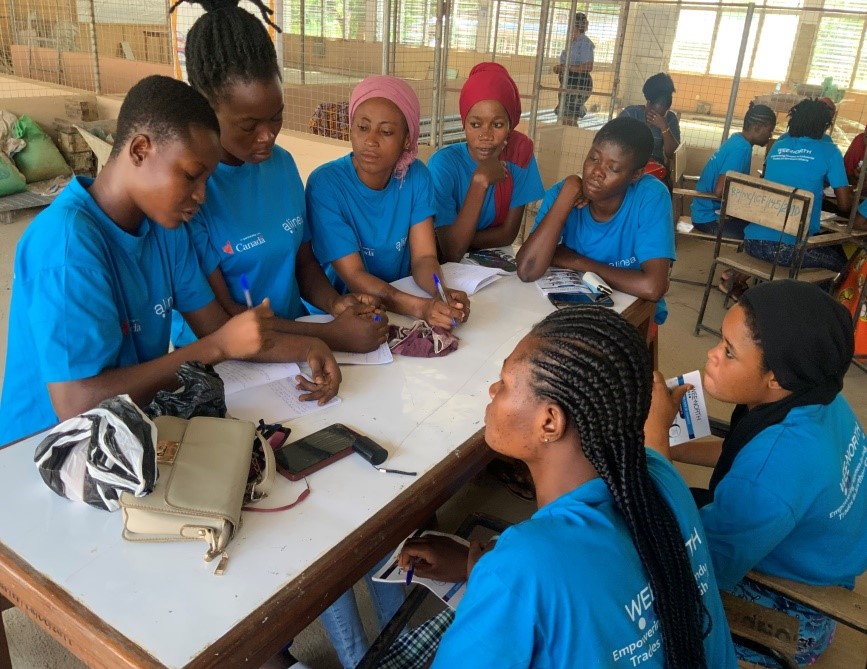
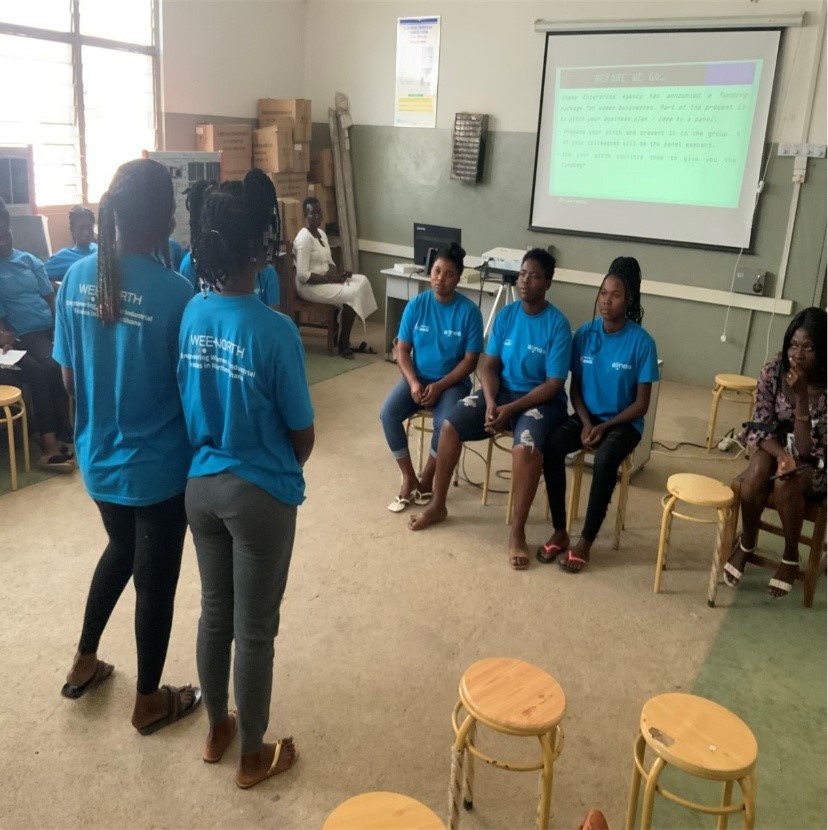
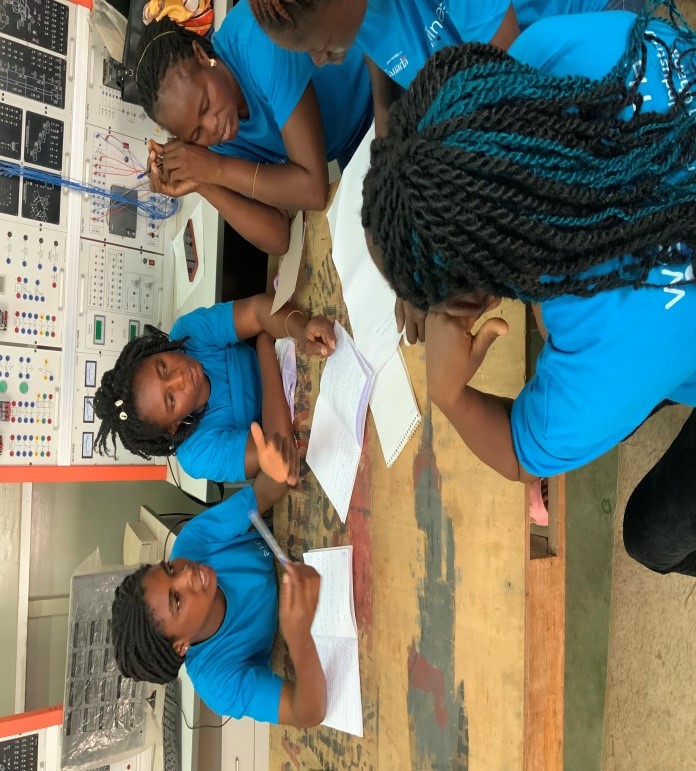
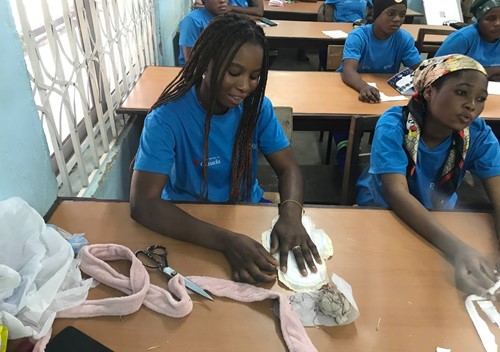
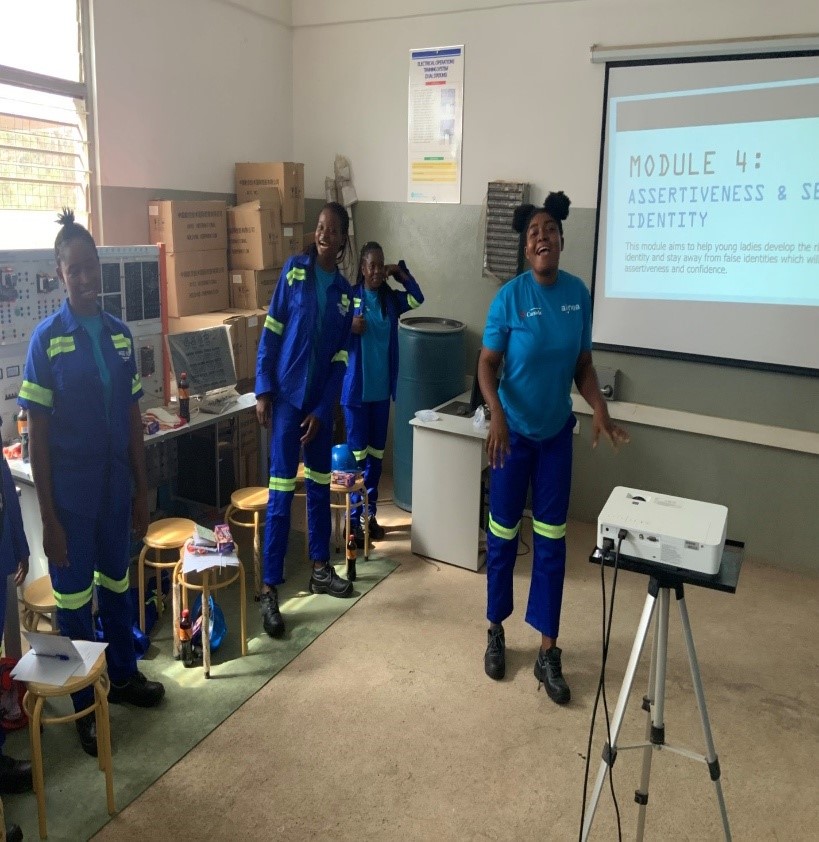
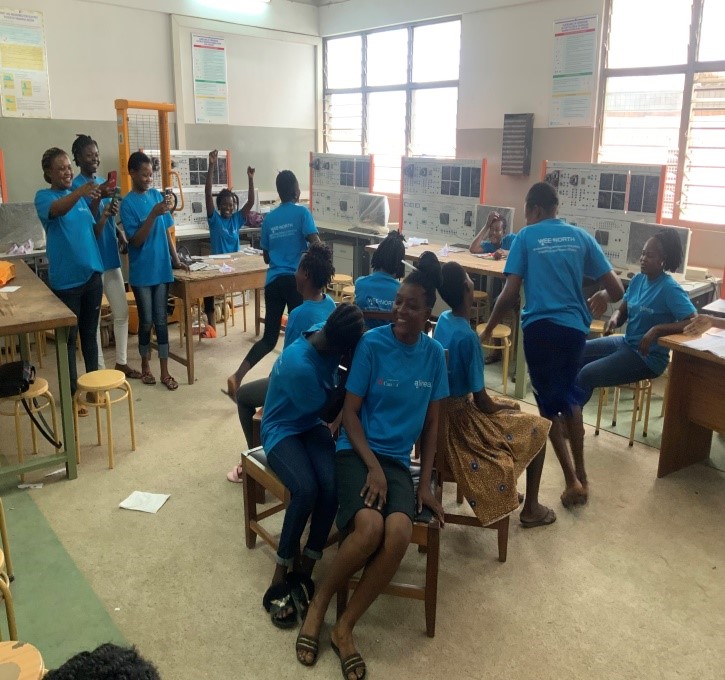
Duration: Four Years (2021-2024) | Donor: Global Affairs Canada
The Women Economic Empowerment-North (WEE-North) project, developed by Alinea Foundation with funding from Global Affairs Canada, aims to introduce a critical mass of 2,000 young women aged 18-35 to typically male-dominated trades so they can participate in well-paying, decent work in construction and other industries.
Many young women in Northern Ghana come from communities where a culture of unpaid care and domestic work is imposed on women, rendering them unable to join the labour force and depriving them of financial independence. Youth Alive was contracted as a service provider in the Upper East Region to deliver this transformative program.
Accomplishments: Youth Alive has equipped 373 vulnerable young women from underprivileged communities with technical training in male-oriented trades and life skills including:
Empowerment Sessions: Trainees receive comprehensive training on:
Professional counselors provide ongoing support to help trainees build confidence, be assertive, develop communication skills, and master entrepreneurial capabilities needed in the business world.
Special Initiative - Mabiligu Cohort (2024): Youth Alive was again contracted to work with a special group of girls previously working as "kayaye" (porters) in southern Ghana. These vulnerable girls are accommodated on the St. Mary's Technical Institute campus where they receive both industrial skills training and comprehensive empowerment sessions to restore their dignity and self-esteem.